
Updated · 4 min read
In short
- Cylinder-replacement locks need a compatible cylinder — measure yours before buying.
- Retrofit locks keep the original cylinder but depend on the shape of the inside thumb-turn or handle.
- Multipoint locks need the most careful check; ask a locksmith if in doubt.
Locks that replace the cylinder: the standard matters
One category of smart lock replaces the existing lock cylinder entirely. These models need a compatible cylinder type, and most European doors do use a common standard (the euro profile cylinder) — but not all, especially older doors or doors from small manufacturers with non-standard cylinders. Many doors in other markets use different lock types altogether.
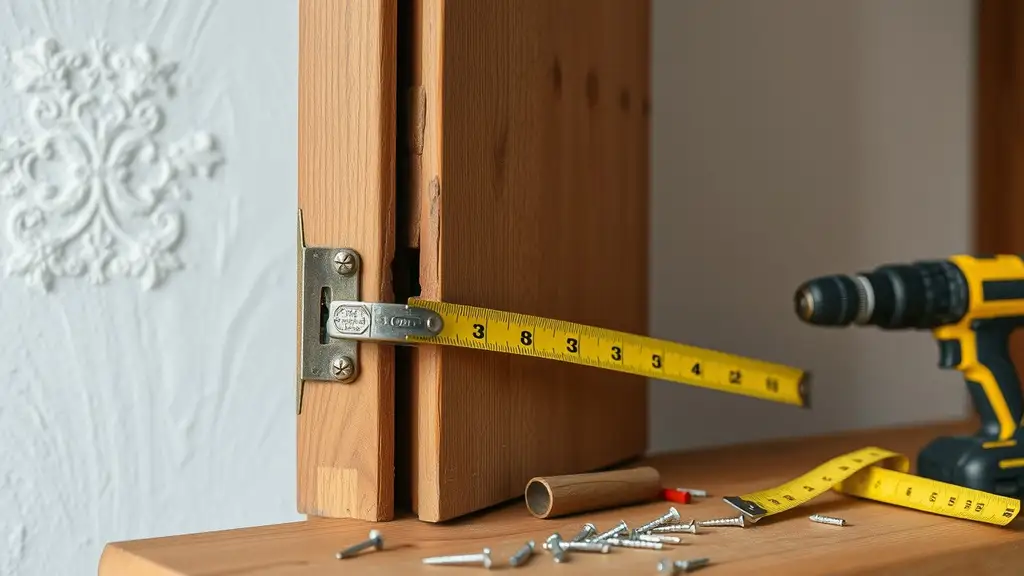
Checking is simple: measure the existing cylinder before buying — the length on each side from the fixing screw must be compared with the specification of the model you want. A few minutes with a ruler avoids the unpleasant situation of a lock that simply doesn't fit the door on installation day.
Retrofit locks fitted over the existing lock
The second category, often called 'retrofit', fits on the inside of the door over the existing mechanism, leaving the original cylinder untouched — useful for keeping a working physical key as backup, perhaps held by a trusted neighbour or kept somewhere safe.
This solution is generally more flexible and compatible with more doors, but the turning mechanism depends strictly on the shape and position of the existing inside thumb-turn or handle. An unusually shaped, very small or oddly placed one can make installation difficult or impossible, so this detail must be checked separately rather than assumed compatible just because the lock is a retrofit type.
Doors with multipoint locks need special care
Apartment front doors and many modern doors come with multipoint locks, which lock the door at several points along the edge at once, or with non-standard mechanisms specific to the door manufacturer. These systems are where compatibility must be checked most carefully, because many smart locks on the market are designed for simple single-point locks.
In these cases a conversation beforehand with a locksmith or the installer can save time and money, avoiding an order that turns out to be incompatible with the existing multipoint mechanism.
Check before you buy, not after
Whatever type of lock you choose, check compatibility before ordering, not on installation day. A lock that doesn't suit the door usually leaves two options, both costly: returning it and searching for a suitable model, or modifying the door to force a compatibility that never existed.
Both are easy to avoid with a few minutes of checking — measuring the cylinder, checking the shape of the inside handle and, if needed, confirming the lock type — before placing the order.