
Plan, calculate and renovate smarter with Cipică AI.
Tell Cipică what you want to build or renovate. You get cost estimates, quantities, materials and the next steps for your project.
Free to start · 70 calculators in English behind it · formulas shown on every page
Cipică AI
calculating your project
Floor tiles
~8.8 m²
Wall tiles
~24 m²
Tile adhesive
~6 bags
🛒 Shopping list
floor tiles, wall tiles, adhesive, waterproofing…
💡 Tip
liquid waterproofing in the shower area
Tell Cipică what you want. He builds your house in 3D.
From foundation to roof, Cipică helps you set up rooms, doors, windows, furniture, terrace, garage, pool, garden and the rest of the house.
- ✓3D model
- ✓Photorealistic interior
- ✓Floor area
- ✓Materials
- ✓Quantities
- ✓Material list
Unlimited with Pro · otherwise ≈ €5.61
 Photorealistic render
Interactive 3D model — rotate it
Drag with the mouse / your finger to rotate it
Step inside: the interior, rendered photorealistically
Walk through the house, stop in a room and Cipică takes a photo of it.
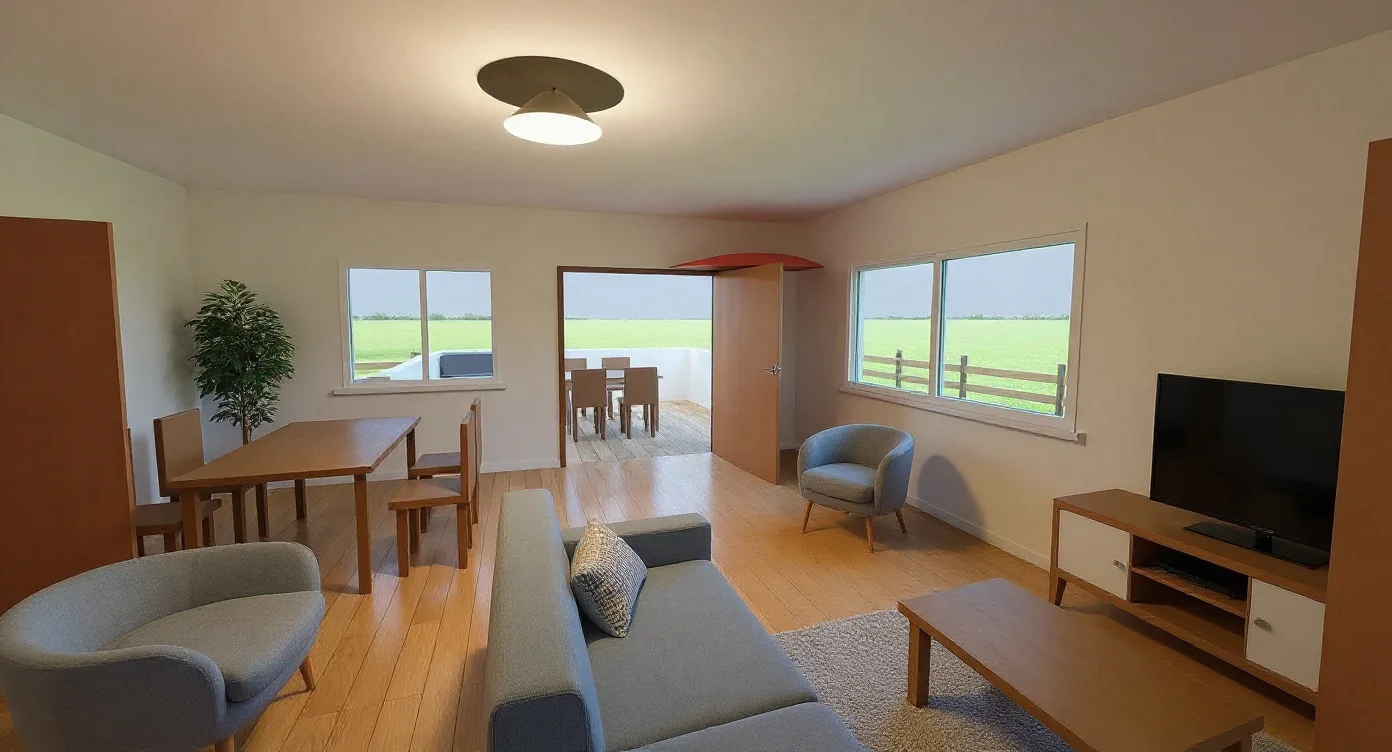
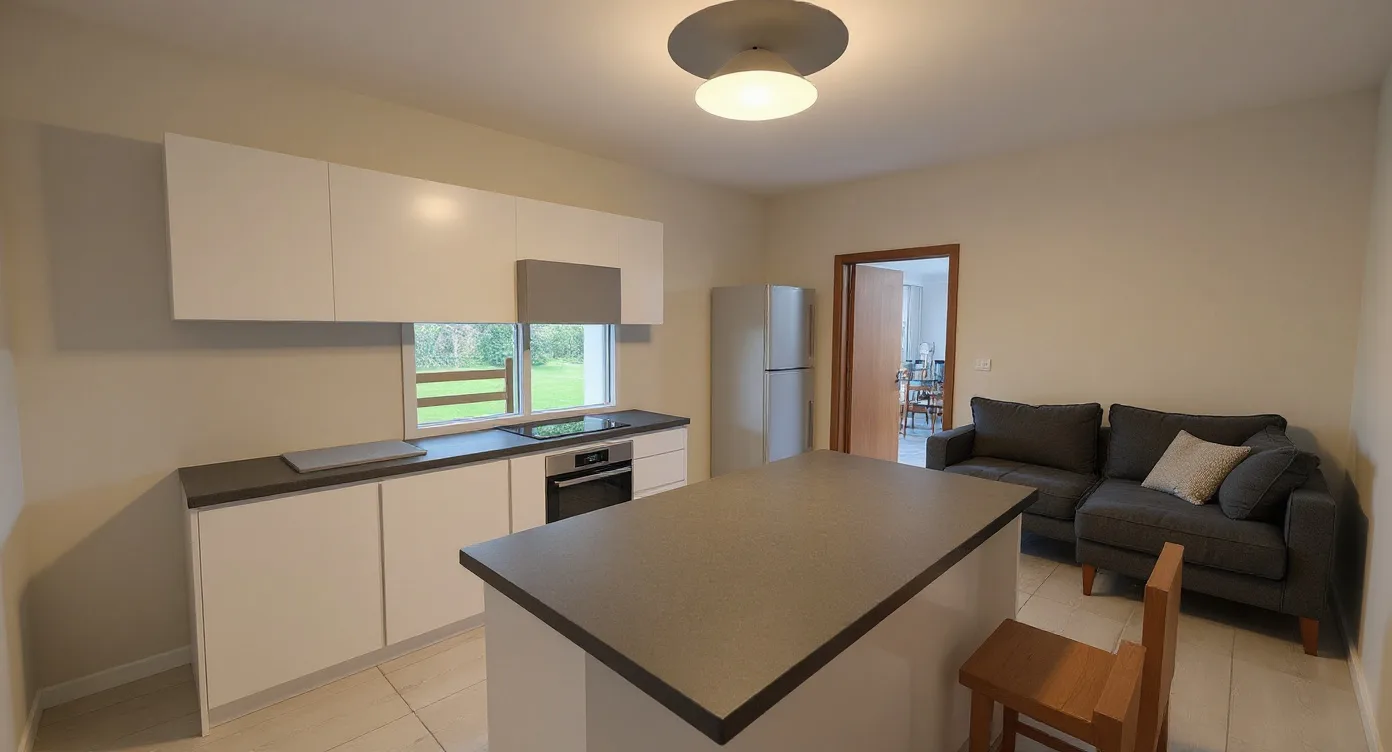
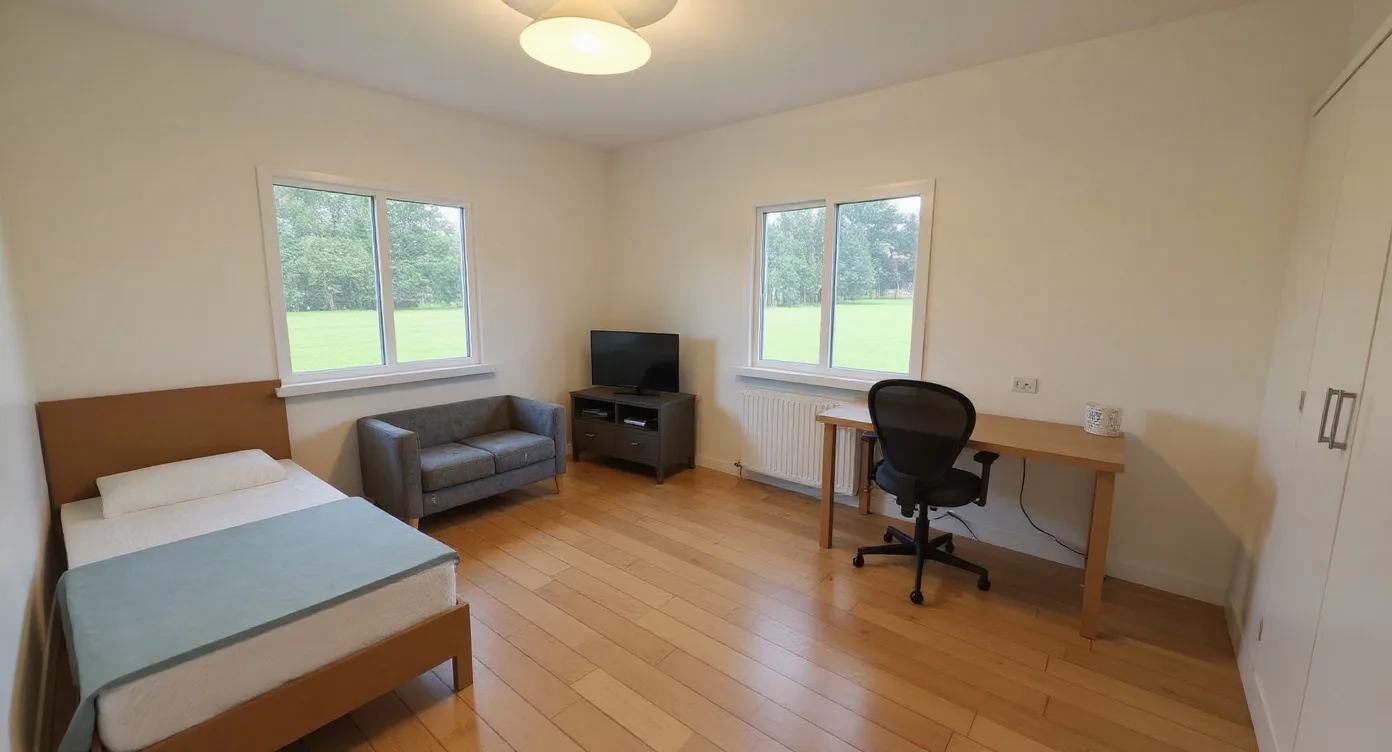
Illustrative AI images generated from the 3D model · on a phone you look around by turning and tilting it
How it works
From idea to budget in four steps.
Describe the project
What you want to build, renovate or furnish, with the area and the finish level.
Cipică analyses and calculates
The figures come from the site's calculators; Cipică explains what they mean.
You get the budget and materials
Quantities, materials, estimated labour and a reserve for the unexpected.
You carry on with the project
Save it, follow it stage by stage or generate an estimate as PDF/Excel.
What Cipică can do
What can Cipică do for your home?
Pick an area and Cipică starts the project with you.
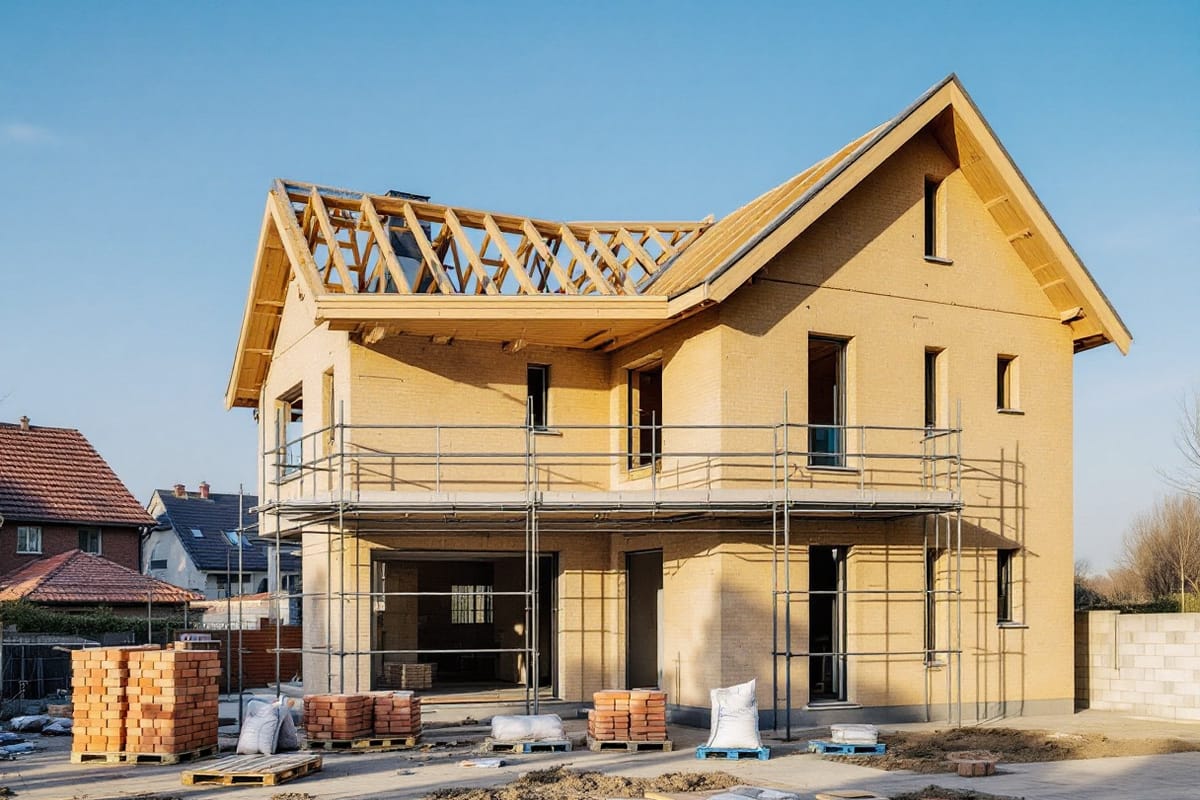
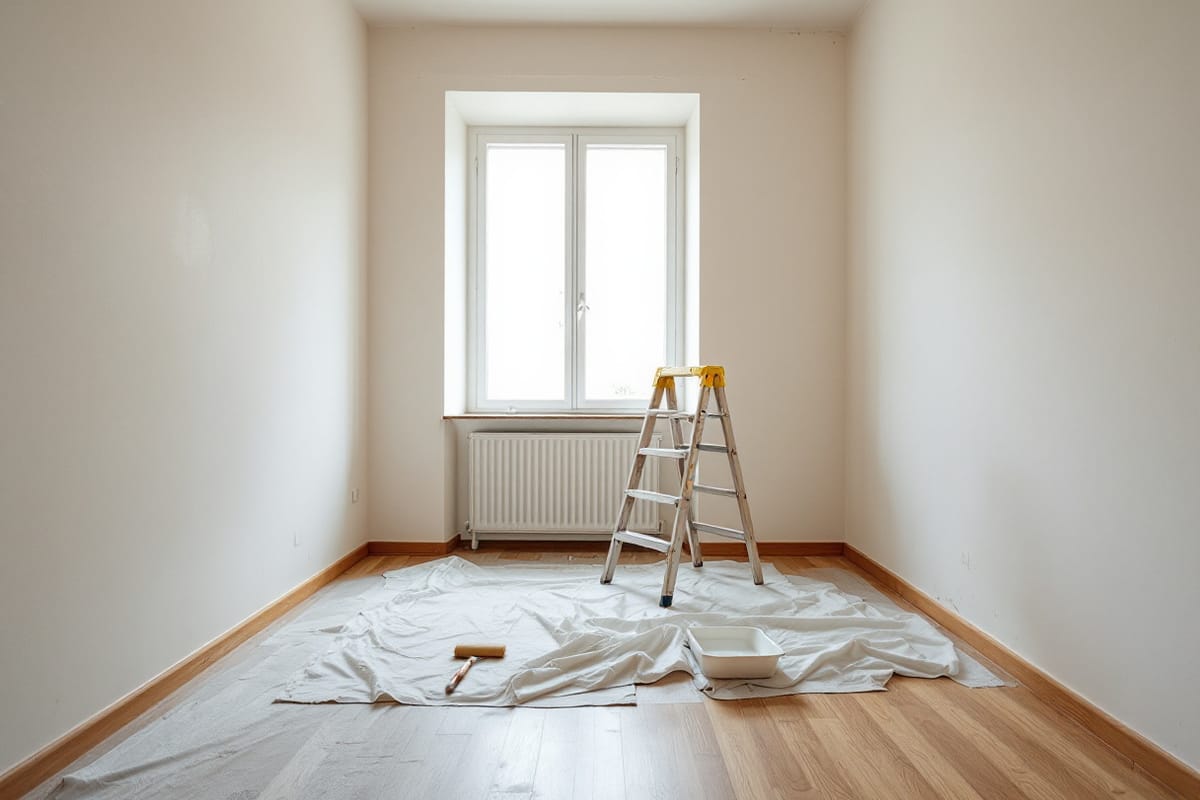



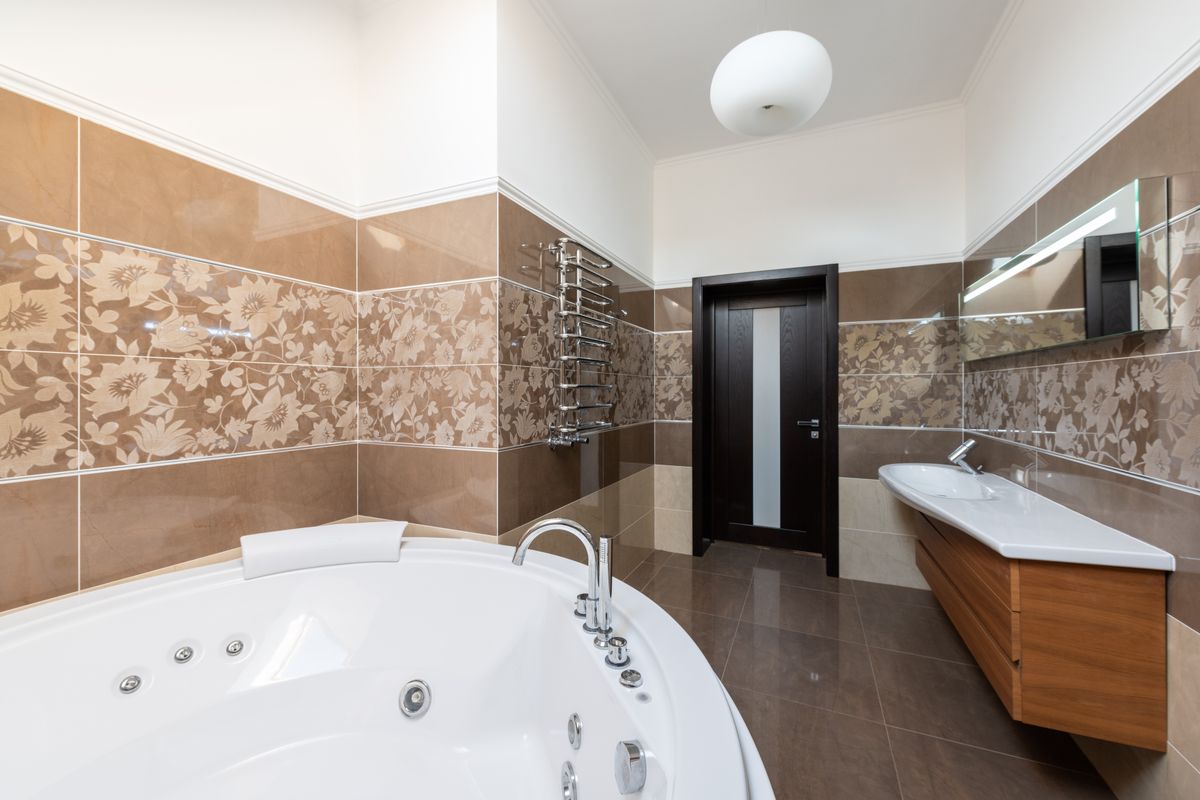
Restyle your room with Cipică
Take a photo of your room. Cipică shows you how it could look.
Choose the style, the budget and what to change — from colours to the bathtub or the furniture. You get the palette, the jobs and an “after” image of your own room.
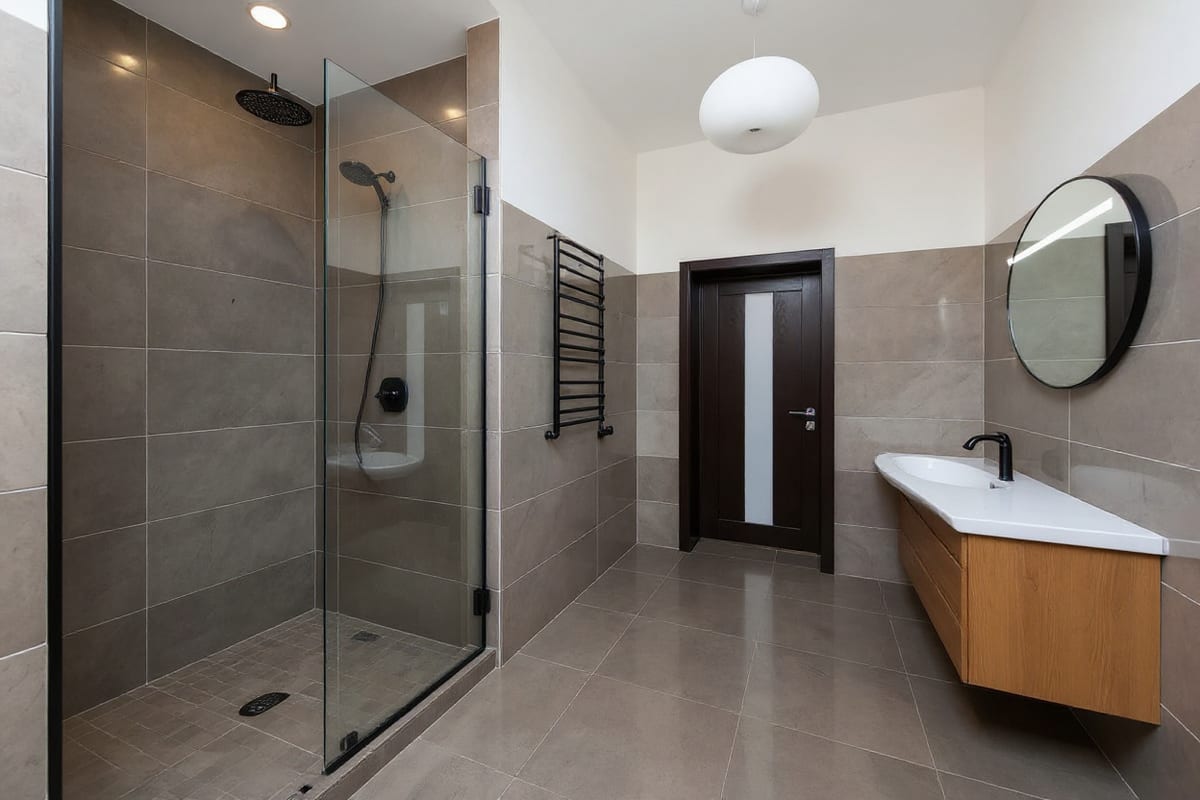
Suggested palette
What changes
- Sanitaryware: corner bath → walk-in shower with a glass wall; new wall-hung basin.
- Tiles: large grey tiles without the floral border; anthracite floor tiles.
- Accessories: round mirror, towel rail and matte black taps.
- You keep: the door and the walls.
You choose what changes
Change only the colours or everything: tiles, furniture, sanitaryware. You also get the jobs in order and an “after” image.
Upload a photo of your room70 calculators
Cipică uses the CasaPractic calculators.
You don't just get AI-generated answers. Cipică uses calculators, formulas and data to turn your questions into concrete estimates.
Cipică examples
Don't take our word for it. See what Cipică does.
Simulated projects, with the formulas and the reasoning Cipică used at every step.

Complete material list
Need everything that goes into the job?
Cipică turns your project into the jobs in the right order and a list of materials with quantities — ready to take to the store or to a contractor for a quote.
Plan my projectNo prices: get local quotes, then add them up in the renovation budget calculator.
Materials · Bathroom 8 m²
PDF · ExcelFloor tiles 60×60 cm, 10% waste | ~8.8 m² |
Wall tiles tiled to 2.1 m, openings deducted | ~24 m² |
Tile adhesive 8 mm notch | ~6 × 25 kg |
Grout 2–3 mm joints | ~4.5 kg |
Quantities calculated with the CasaPractic formulas shown on each calculator page.
The difference
The calculator gives you the result. Cipică explains what to do next.
Calculator · façade insulation
84 m² façade · adhesive ~8 kg/m²
You need 27 bags of adhesive.
Cipică AI
For 84 m² of façade, the bonding adhesive (~4.5 kg/m²) and the base coat (~3.5 kg/m²) come to about 672 kg — 27 bags of 25 kg. I'd add a 5–10% reserve. Shall I also calculate the mesh, the fixings and the primer?
Board quantities with the insulation board calculator.
Practical guides
Read before you start.
Step-by-step guides for home owners.
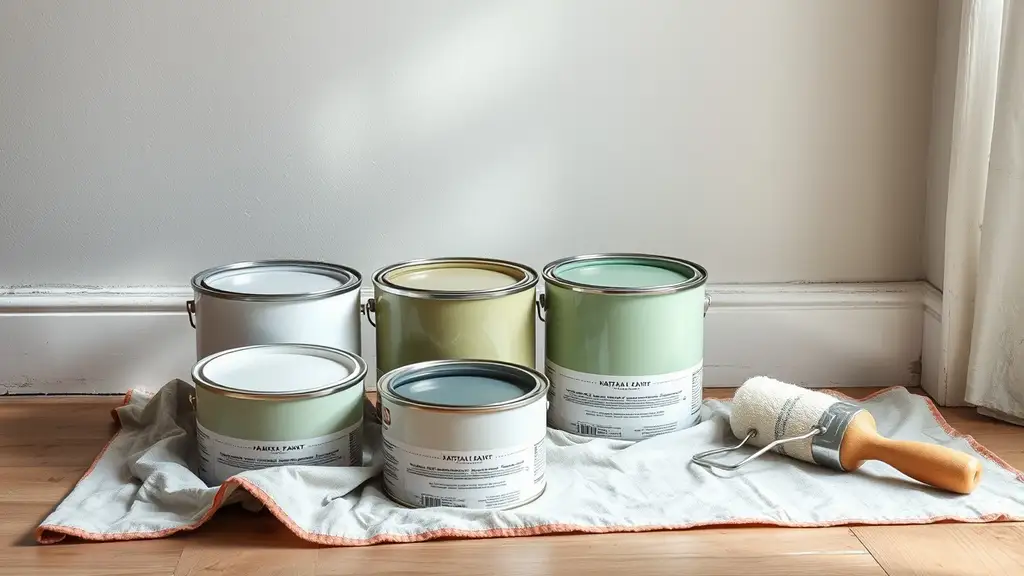
How much paint do I need? A practical guide
Measure the walls, read the coverage on the tin and choose the number of coats — the method to buy the right amount of paint.
Read the guide →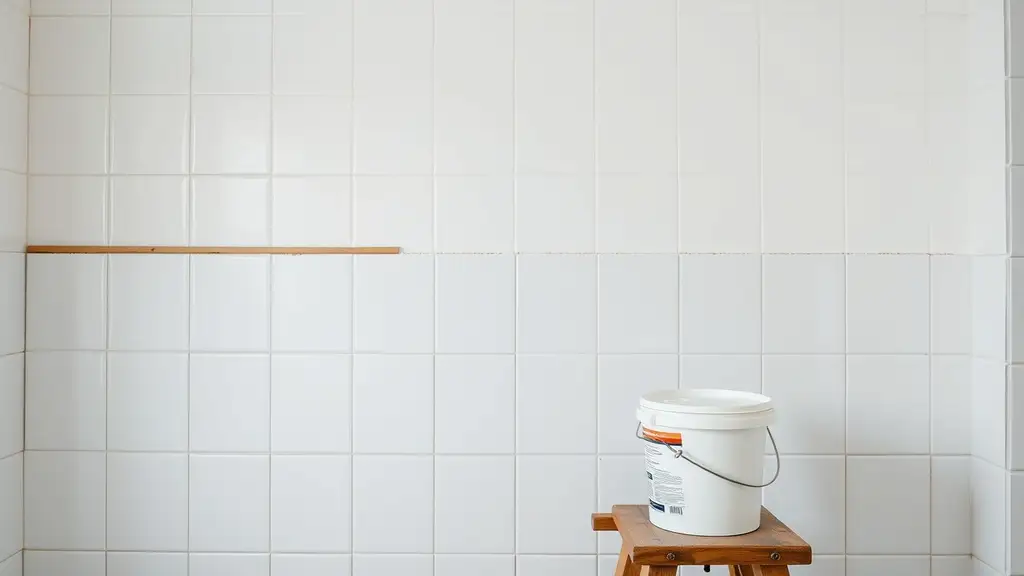
How to calculate tiles, adhesive and grout
Floor and wall tiles with waste, plus adhesive and grout — the complete method, with a bathroom example.
Read the guide →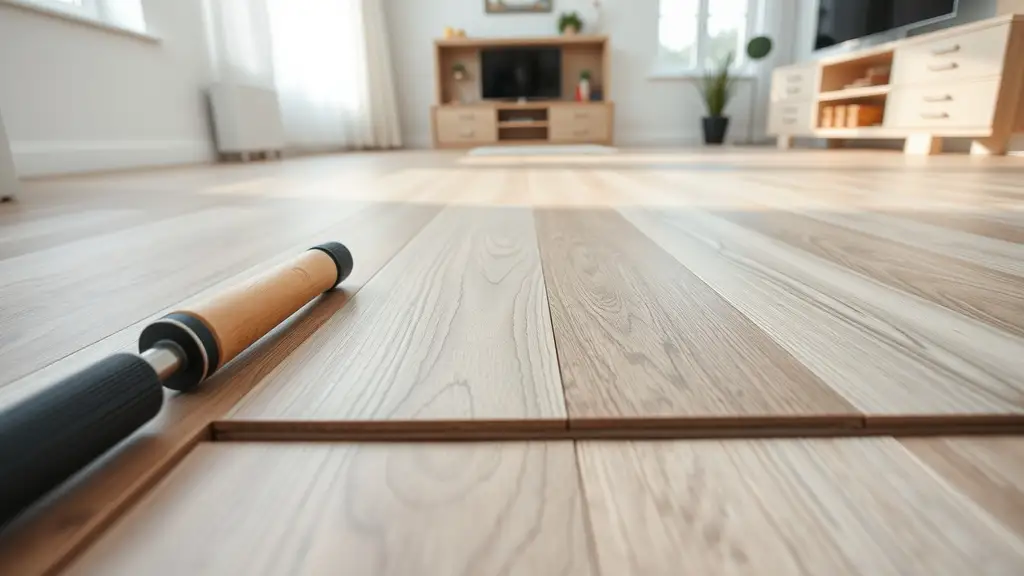
Laminate flooring: how much to buy and how to prepare
Measure, order packs with the right waste, check the subfloor and choose the underlay — before the first board goes down.
Read the guide →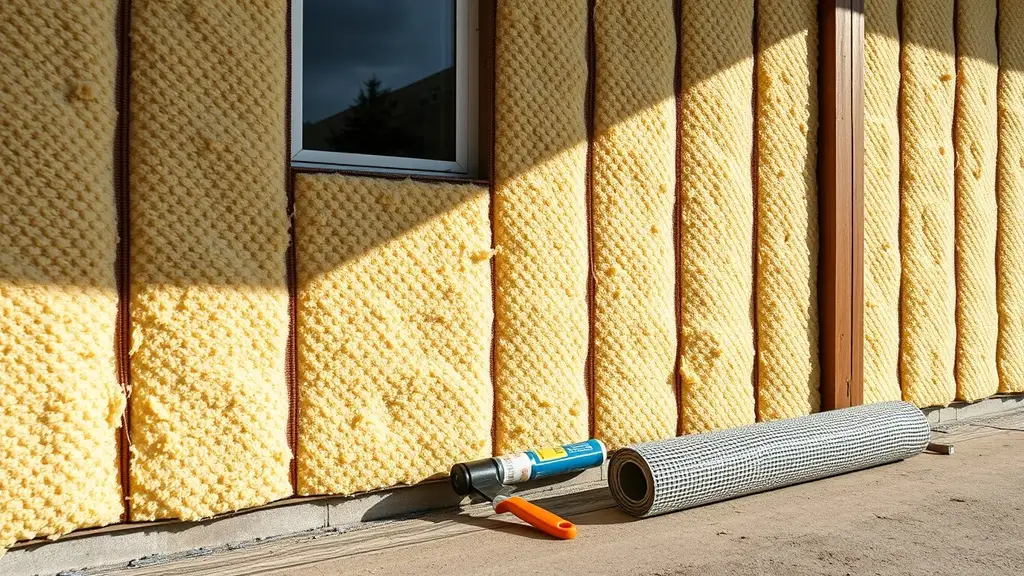
Wall insulation basics: U-value, materials and thickness
What the U-value means, how the common insulation materials compare and how much thickness actually pays off.
Read the guide →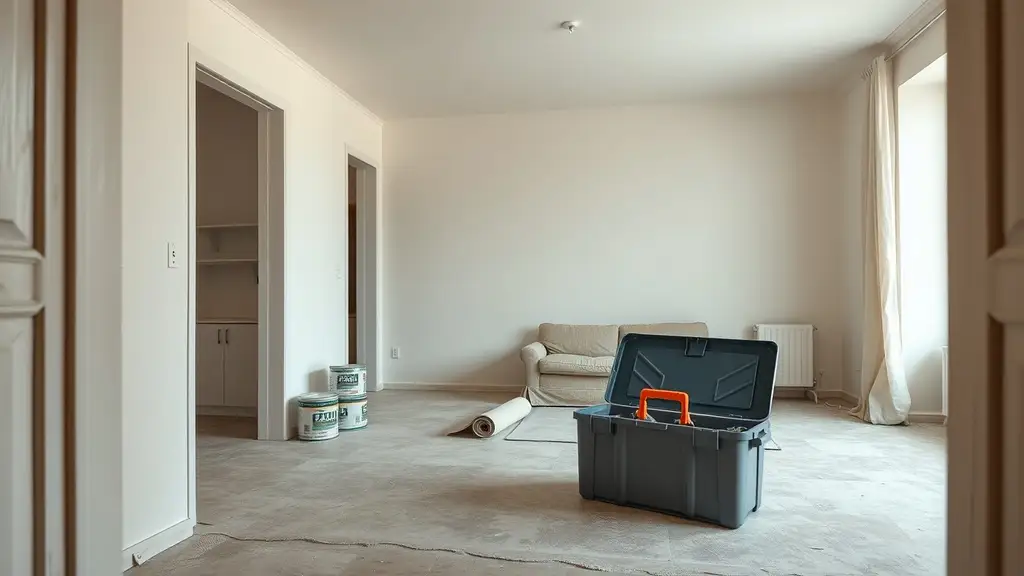
How to plan a renovation budget that holds
Define the scope, compare quotes on the same basis, list the forgotten costs and keep a contingency reserve.
Read the guide →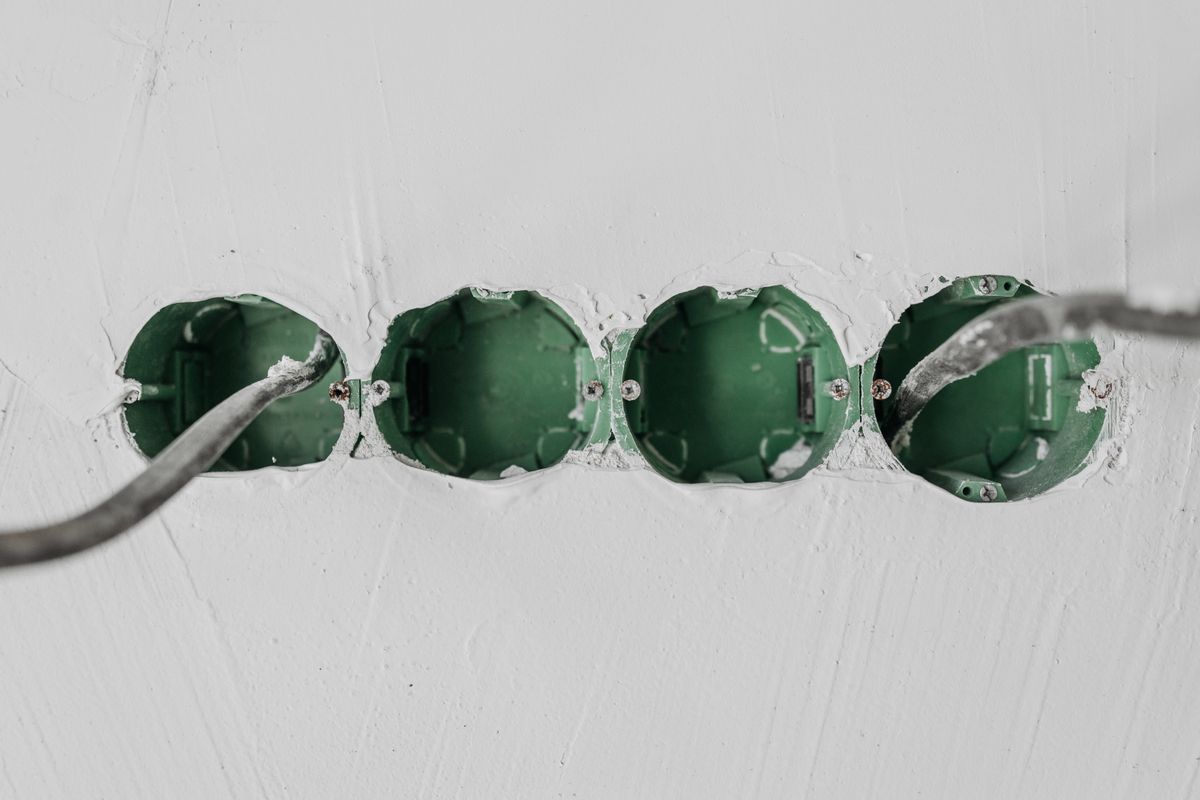
Home maintenance checklist: what to check each season
What to check in autumn, winter, spring and summer — heating, roof, water, windows and safety devices.
Read the guide →
When to fix it yourself and when to call a plumber
The signs that the problem goes beyond a simple worn washer.
Read the guide →
Boiler maintenance: the annual service and warning signs
The annual service and the signs that your boiler needs attention.
Read the guide →
Floor and wall tiles for the bathroom
Which sizes, which slip rating and how to avoid waste when cutting.
Read the guide →
Smart lock unlock methods: PIN, fingerprint, card or app
Which method is fastest every day and what to do if your phone battery dies.
Read the guide →
How to match the paint over a repaired patch so it doesn't show
Why a repaired area often shows because of the painting, not the filler.
Read the guide →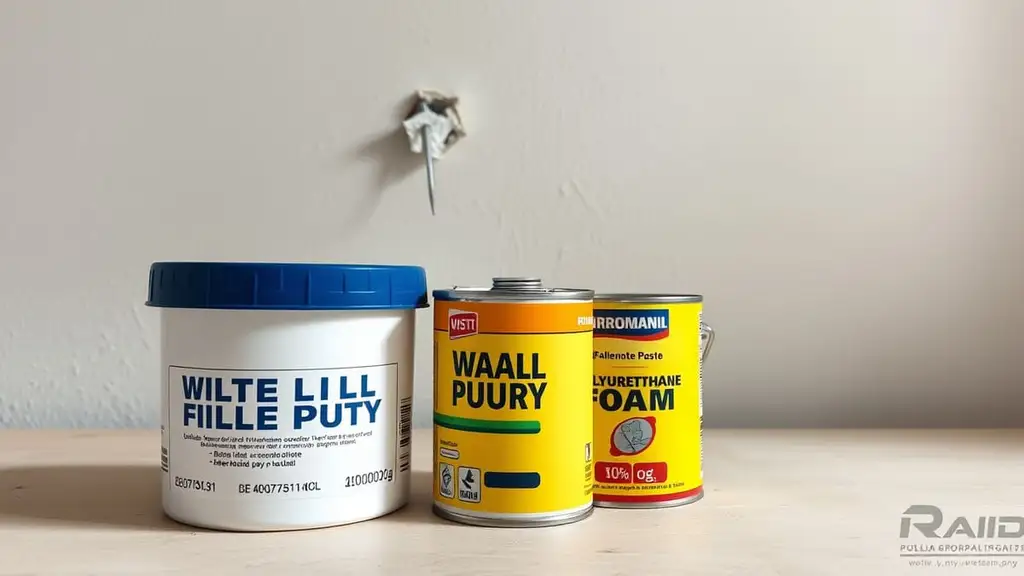
Filler, skim coat or expanding foam: what to use for each kind of hole
From a nail hole to a break several centimetres across.
Read the guide →
Garden path lighting: safety and orientation at night
How to position the lights so no stretch of the path is left completely dark.
Read the guide →
Types of taps and the parts that fail most often
Ceramic cartridge, classic washer or ball valve — what you actually have under the handle.
Read the guide →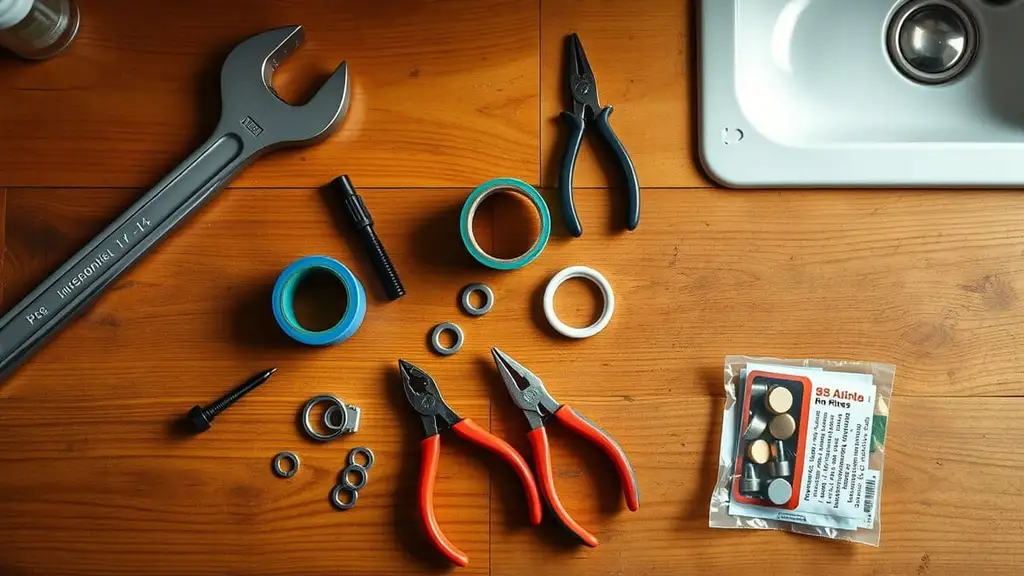
Tools you need to repair a tap
What you already have at home and what's worth buying before you start.
Read the guide →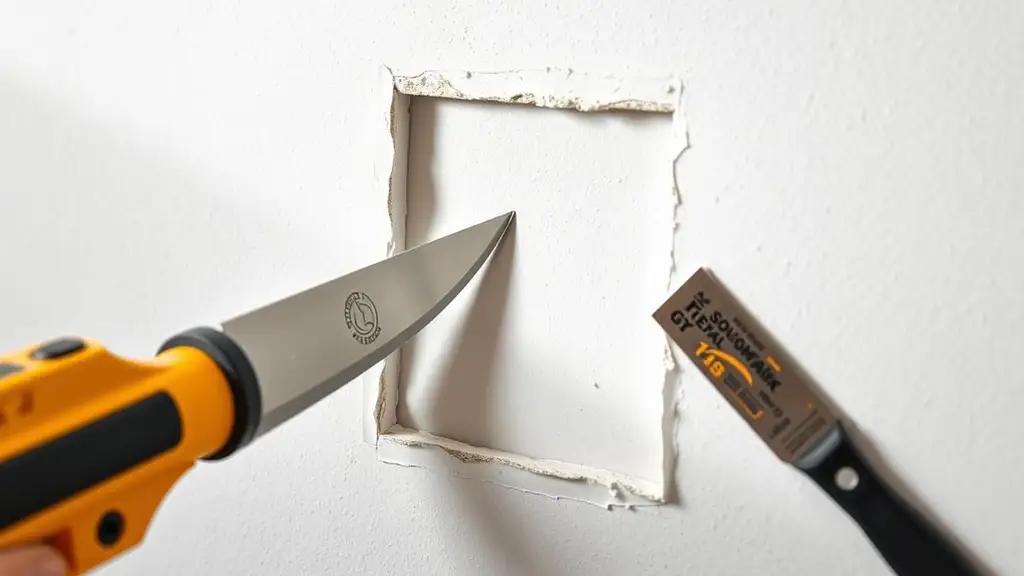
How to make a plasterboard patch invisible
How to avoid the visible edge that gives away a rushed repair.
Read the guide →
Colours and lighting in the living room
How to choose the colour palette and lighting for the room's orientation.
Read the guide →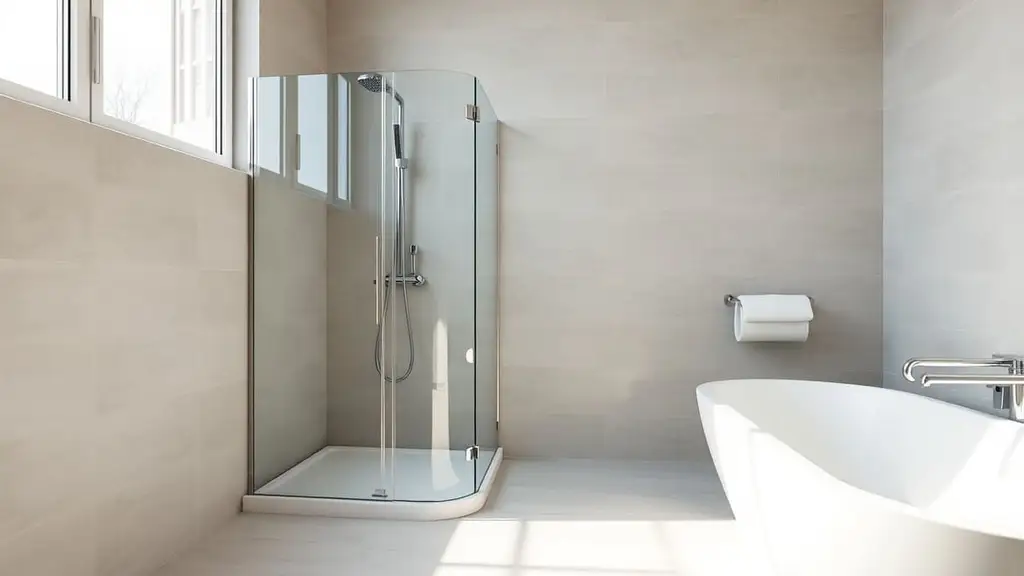
Shower or bath: which to choose
Space, budget and comfort — the arguments for each option.
Read the guide →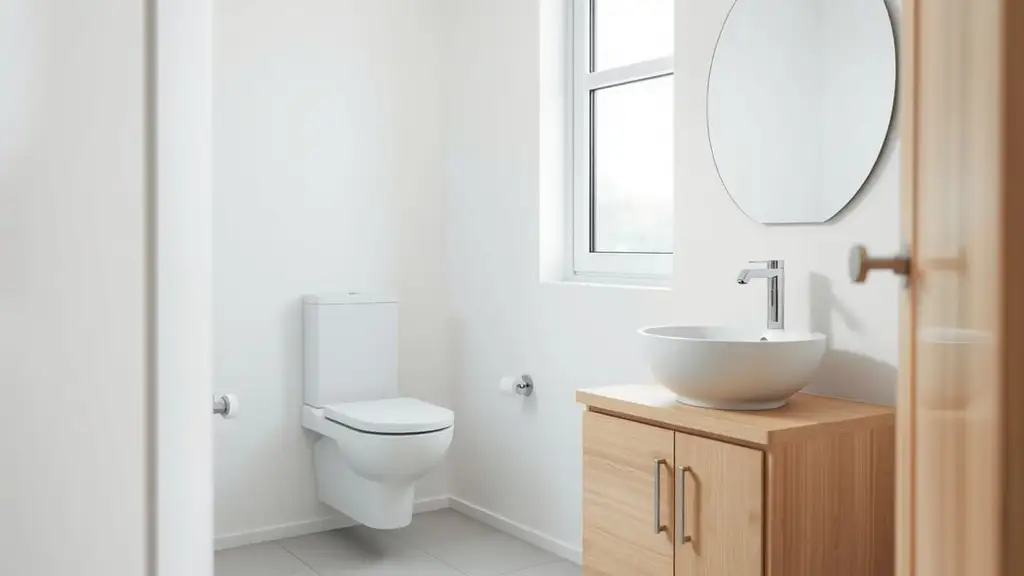
Bathroom fixtures: how to choose and where the budget goes
Wall-hung or floor-standing WC, countertop or simple basin — and how to split the budget.
Read the guide →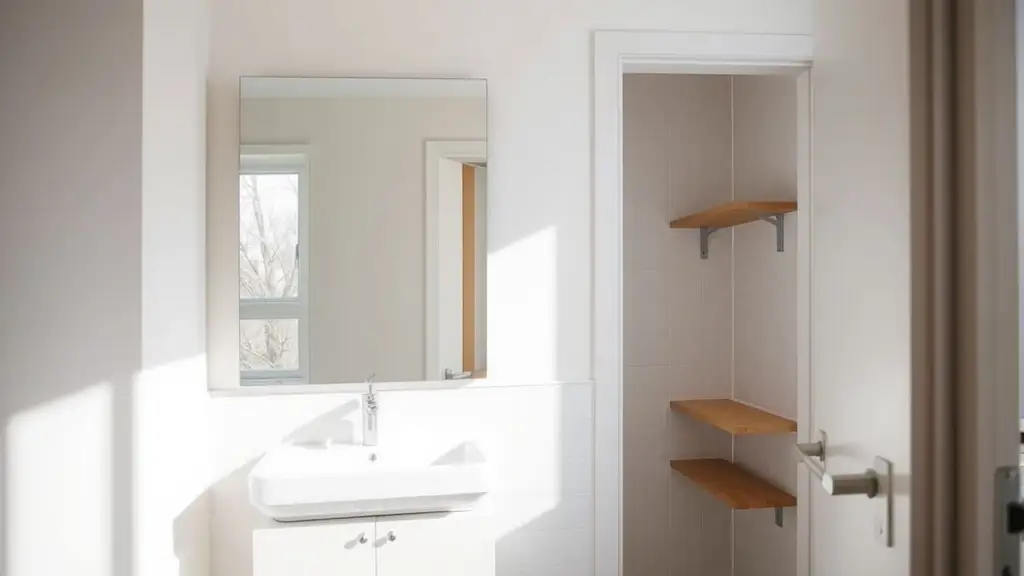
Ideas for small bathrooms
Visual and furnishing tricks that make a small bathroom look bigger.
Read the guide →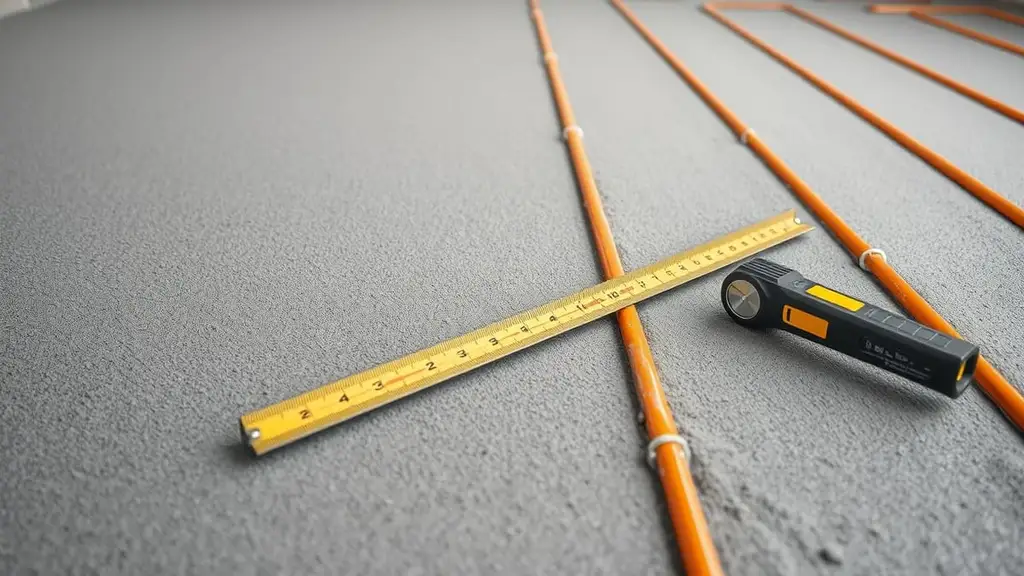
Screed thickness over underfloor heating (minimum and maximum)
How many cm of screed over the pipes, how thick underfloor heating is overall and when to switch it on after pouring.
Read the guide →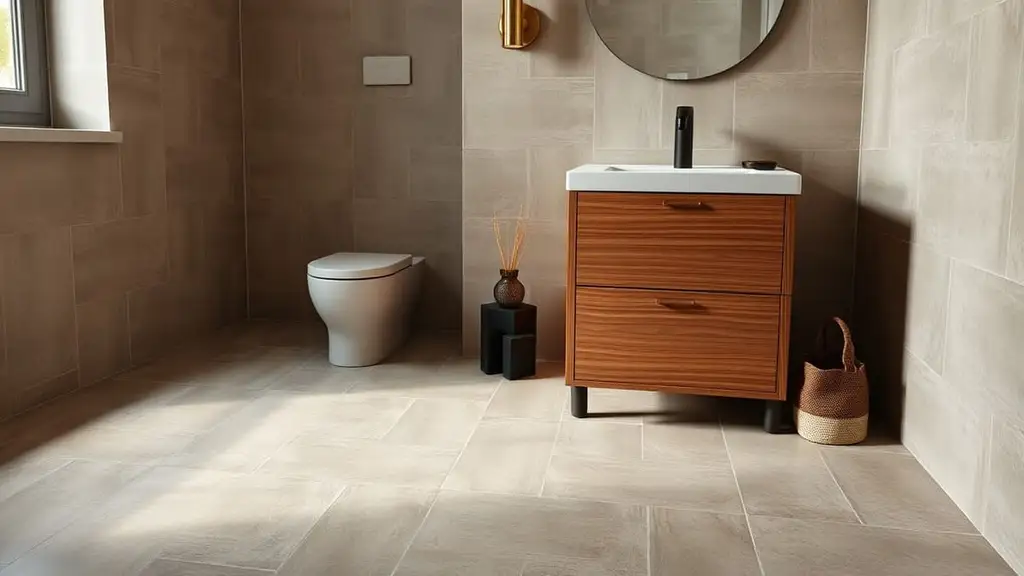
Bathroom materials and styles
From minimalist style to warm accents — what to choose and how to combine them.
Read the guide →
Bedroom lighting
Why general lighting isn't enough and how to plan bedside lights at the wiring stage.
Read the guide →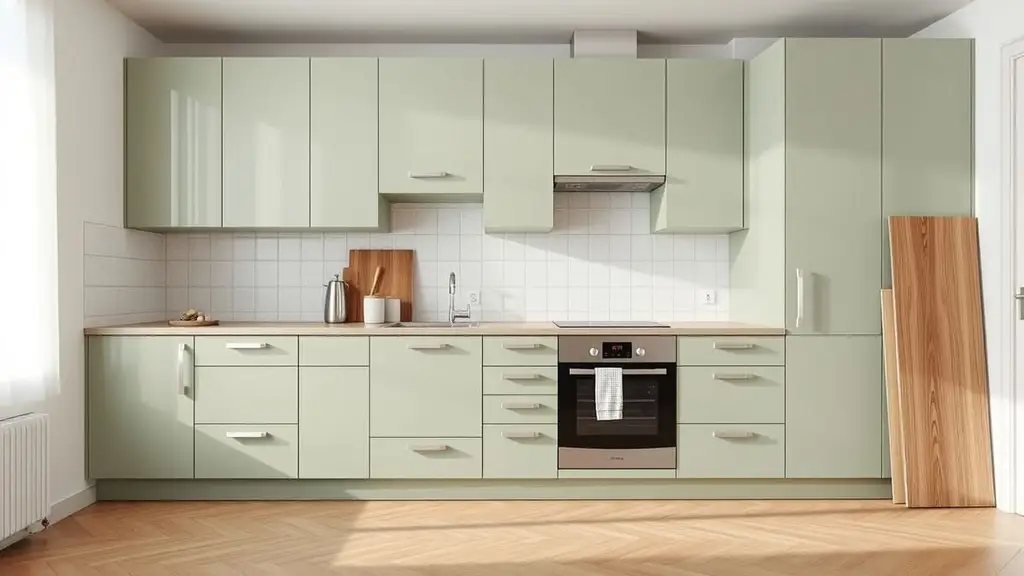
Kitchen units: modular or made to measure
The cost difference and when custom units are worth it over standard modules.
Read the guide →
How to choose the right sofa
Size, configuration and material — what really matters for a functional living room.
Read the guide →
Wardrobes and bedroom storage
Sliding or hinged doors, walk-in or classic wardrobe — what to choose for your space.
Read the guide →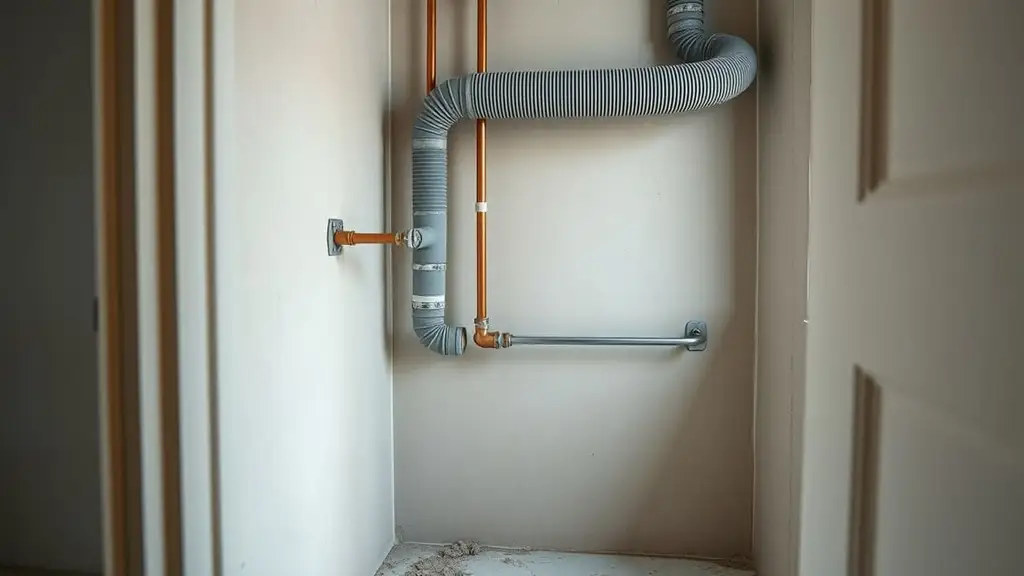
Plumbing and electrics in a bathroom renovation
When you can keep the existing pipework and when you have to break out the screed.
Read the guide →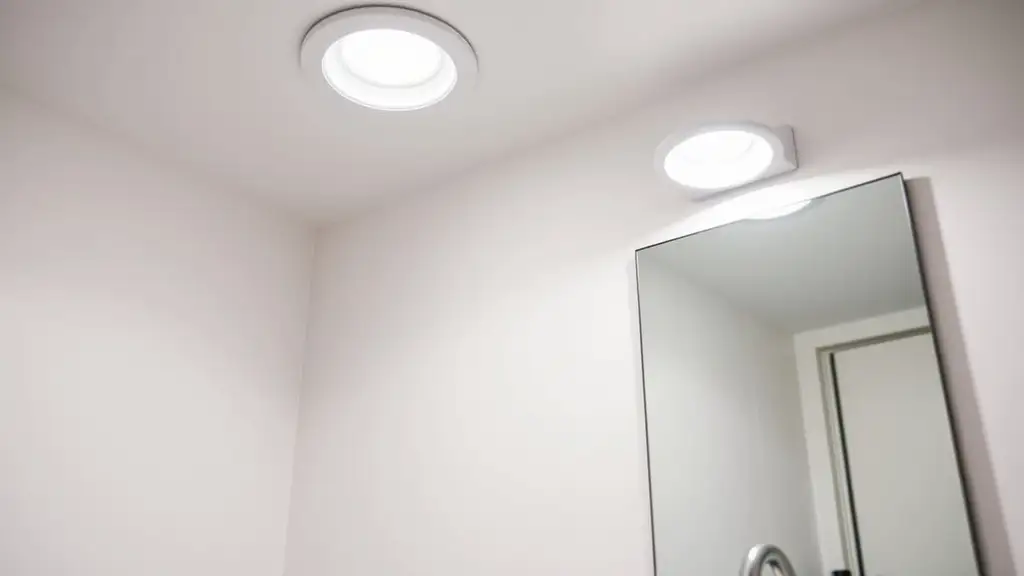
Bathroom lighting
The lighting zones a bathroom needs and the electrical safety rules near water.
Read the guide →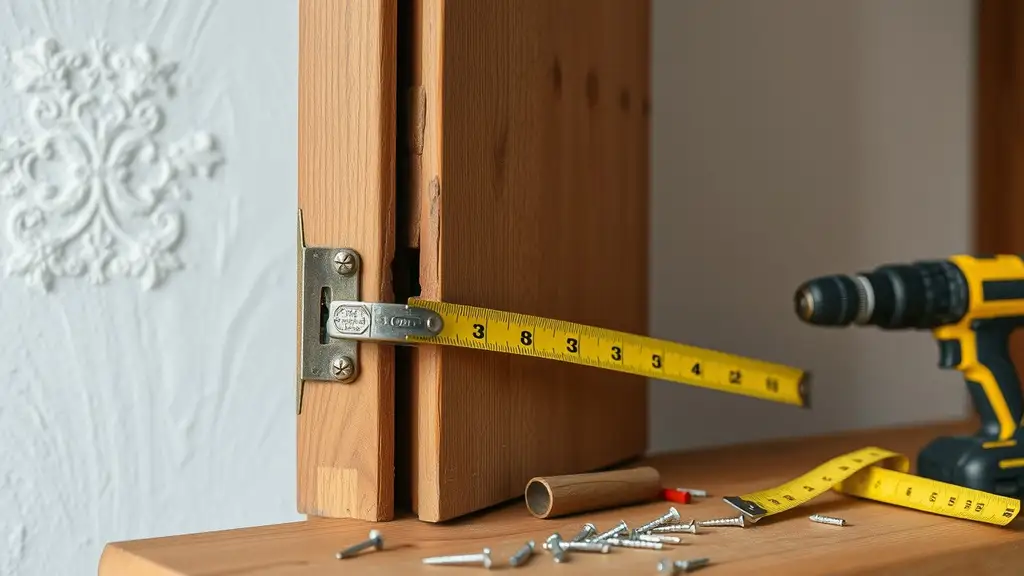
Will a smart lock fit your existing door and lock?
Why not every smart lock suits every type of door.
Read the guide →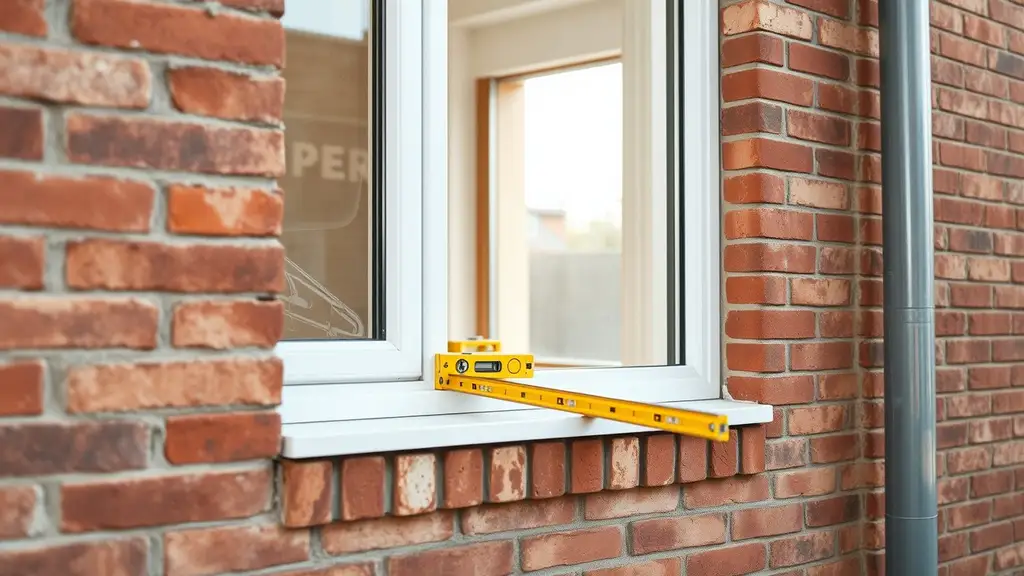
When windows are fitted in the sequence of building work
Why the timing of window installation affects the rest of the site.
Read the guide →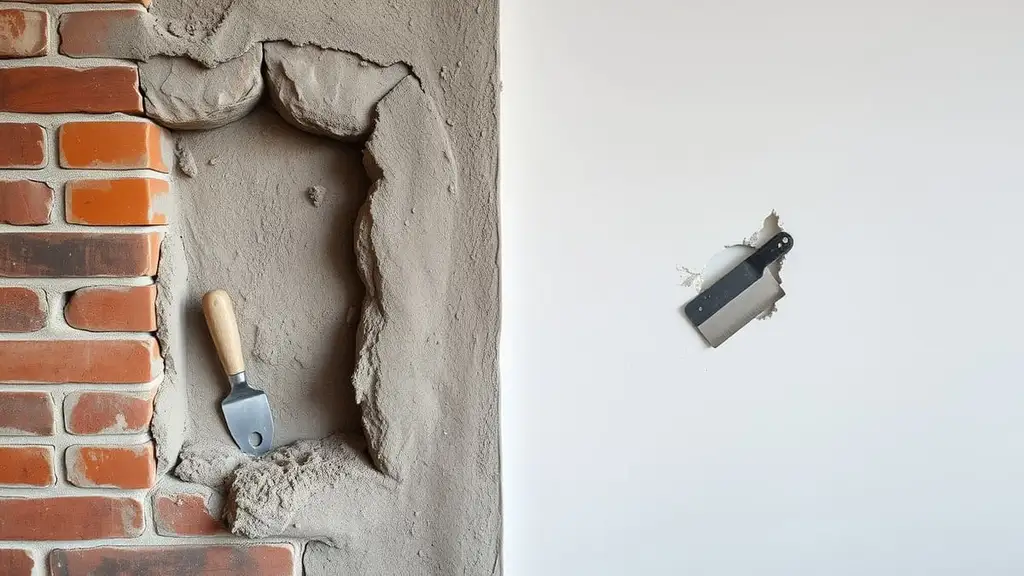
Repairing holes in brick walls vs. plasterboard
Why the same hole needs a completely different approach on the two materials.
Read the guide →
How to choose a bed and mattress
Sizes, mattress types and why they matter more for sleep than they seem.
Read the guide →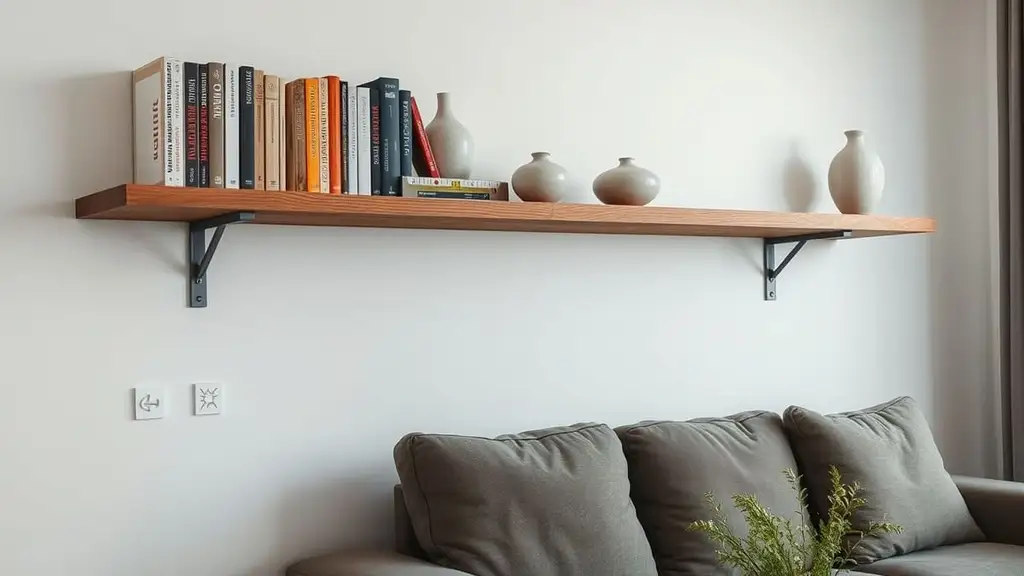
How much weight a shelf can hold: brackets, spacing and board thickness
How many kilograms a correctly fitted shelf holds: bracket spacing, why thin chipboard sags and how to choose fixings for the wall.
Read the guide →
Smart lock battery life and emergency access
The backup options that should exist before you rely completely on a smart lock.
Read the guide →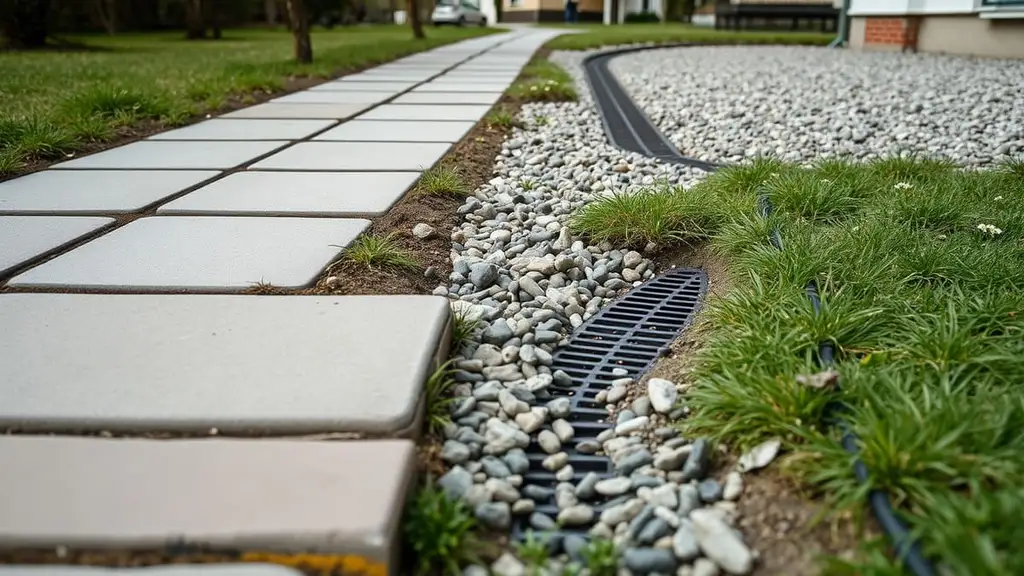
Drainage and fall on garden paths: how to stop puddles
The minimum fall that drains water without being visible.
Read the guide →
Common sequencing mistakes that cost time and money
The most common order reversals seen in real renovations.
Read the guide →
How to estimate labour costs before asking for quotes
Why underestimated labour is the most common cause of a blown budget.
Read the guide →
Contingency reserve: how much is really enough
When 10–15% is enough and when a bigger reserve is worth it.
Read the guide →
The order of spending: what to pay first and what can wait
How to phase the budget so you don't get stuck halfway through the work.
Read the guide →
How to compare quotes from different contractors properly
Why the total price, on its own, is the most misleading comparison criterion.
Read the guide →
How to negotiate a job's price without compromising quality
Where there really is room to negotiate, and where a price cut hides a later cost.
Read the guide →
Budget mistakes that repeat on almost every project
Common patterns you can avoid just by knowing they exist.
Read the guide →
Budgeting for the design phase before work starts
Why skipping this stage costs more than paying for it directly.
Read the guide →
How to split the budget across the phases of a large project
A practical allocation method so you don't run out of money halfway through.
Read the guide →
How to calculate material quantities without waste
Why estimating by eye costs more than a few minutes of calculation.
Read the guide →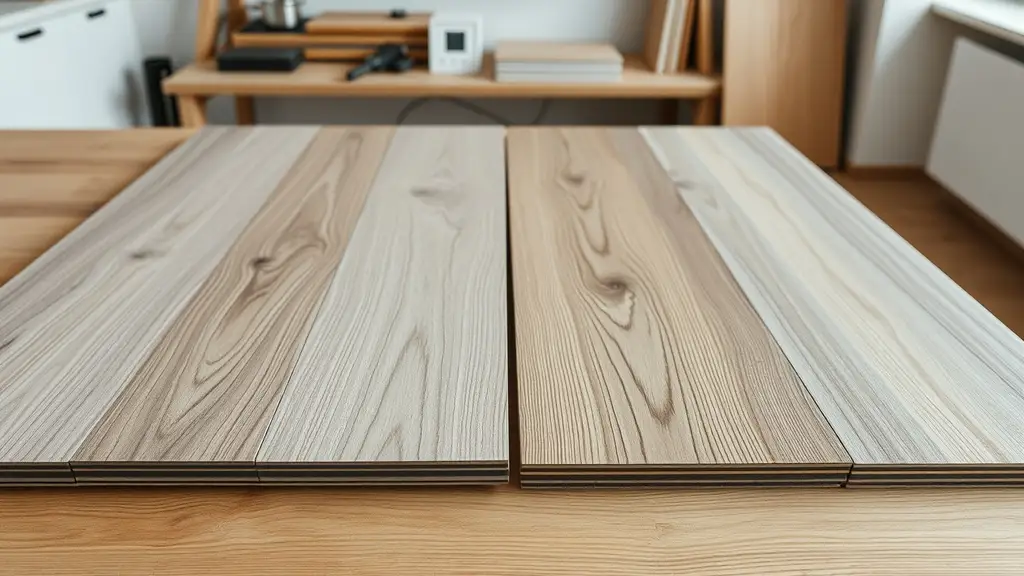
Premium or standard materials: where the difference matters and where it doesn't
The areas where the investment pays off and those where the difference doesn't show over time.
Read the guide →
Checking batches on delivery: what to look for before opening the packs
How to avoid laying material with shade variations between boxes.
Read the guide →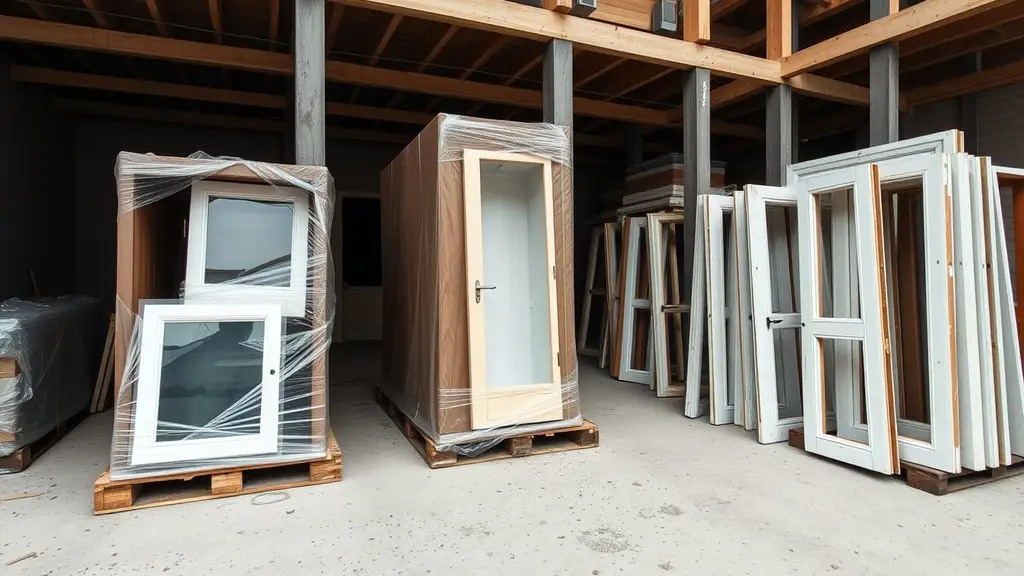
Materials to order early because of long lead times
The categories that can stall your site if you order them at the last minute.
Read the guide →
How to avoid buying materials that don't work together
Common combinations that look good separately but don't work together.
Read the guide →
What to do with leftover materials after the job
When they're worth keeping for later repairs and when they just take up space.
Read the guide →
Local or imported materials: the real difference beyond price
Delivery times and the long-term availability of matching replacements.
Read the guide →
How to avoid buying more material than you actually need
The difference between a reasonable reserve and budget wasted 'just in case'.
Read the guide →
How to check previous work before hiring someone
Why visiting a finished job tells you more than dozens of photos.
Read the guide →
What a written quote should contain beyond the price
The missing details that turn a 'good' quote into a source of conflict.
Read the guide →
The minimum contract for a small or medium job
Simple clauses that protect you, even without an elaborate legal contract.
Read the guide →
Signs a tradesperson isn't trustworthy, before problems start
The early clues worth taking seriously, not ignoring out of politeness.
Read the guide →
A company or an independent team: which to choose
The trade-off between formal guarantees and an independent team's often lower price.
Read the guide →
How to manage communication with the team during the work
Simple habits that prevent costly misunderstandings in the middle of the site.
Read the guide →
The complete checklist for handing over finished work
What to check point by point before you declare the work accepted.
Read the guide →
How to document defects found at handover
Why a written list with photos weighs more than a verbal discussion.
Read the guide →
Paying the builder in full or in stages: what protects you
How staged payment works, why full payment upfront is risky, how big the final instalment should be and when paying in full makes sense.
Read the guide →
Warranty on building and renovation work: how long and what it covers
Statutory vs. commercial guarantees, what a workmanship warranty usually covers, how to claim and what to keep.
Read the guide →
Who pays for defects found shortly after handover
What the warranty covers for defects that appear a few weeks after completion.
Read the guide →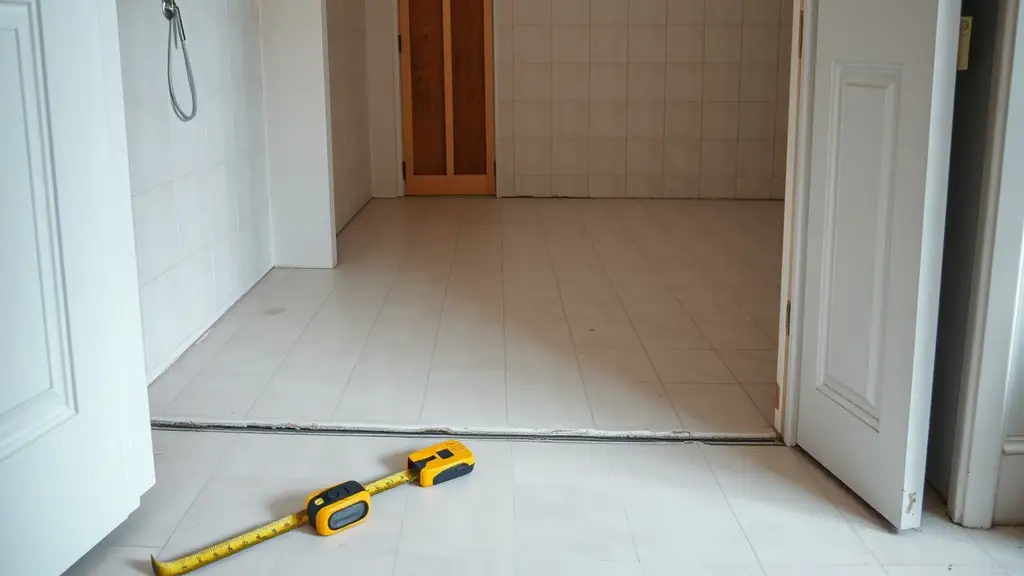
Stage-by-stage handover on work done in phases
Why each stage is worth accepting separately, not just the finished work as a whole.
Read the guide →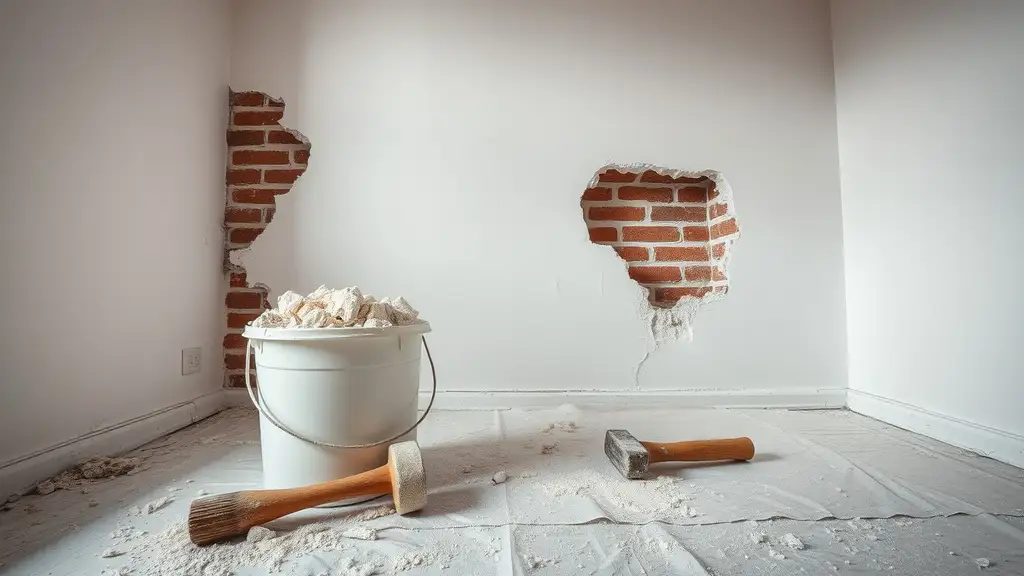
Why dirty work always comes first
What happens when you reverse the order and why the repair costs more.
Read the guide →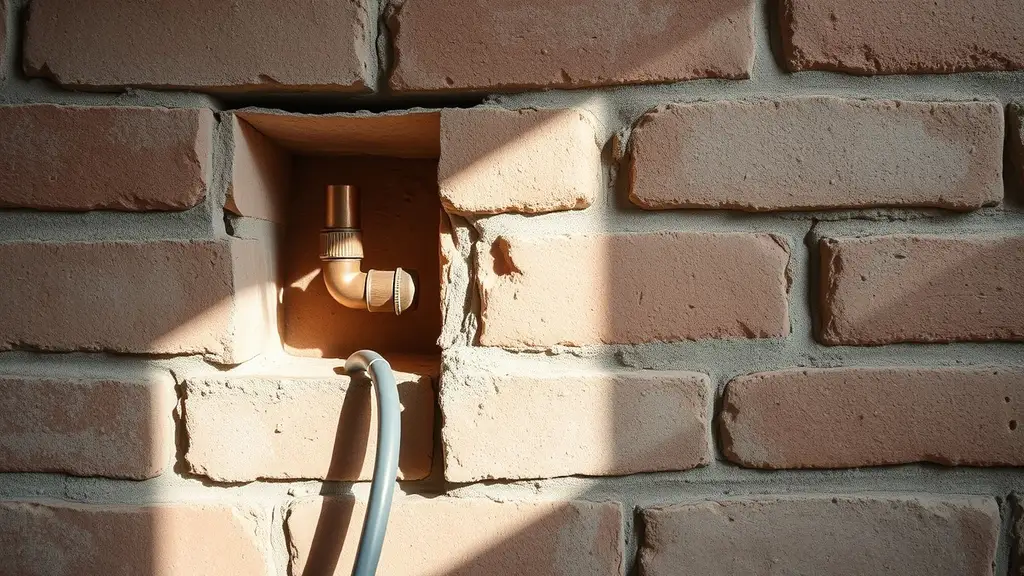
Why hidden services go in before plastering
What happens if you find later that a cable route is missing.
Read the guide →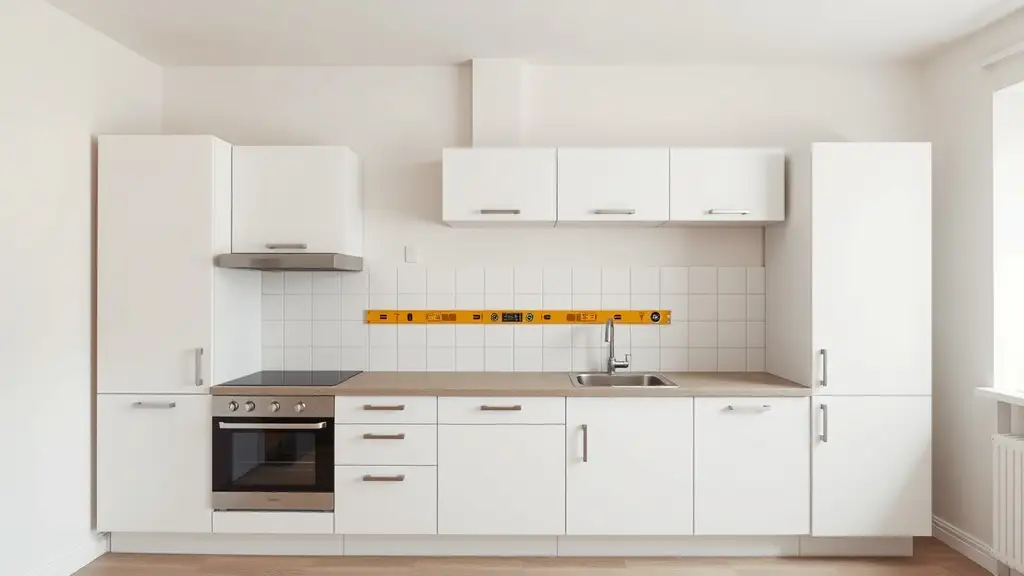
When to fit the kitchen units in relation to the rest of the work
Why fitting too early or too late creates different problems.
Read the guide →
Paint before or after laying wood flooring?
The right order that avoids both stains on the floor and scratches on the walls.
Read the guide →
When to fit sanitaryware in the bathroom sequence
Why fitting too early risks scratches and too late complicates access.
Read the guide →
Site cleaning: when it's done and why it can't wait until the end
Accumulated dust that ruins finishes applied later.
Read the guide →
How many aerated concrete blocks for a house
Work from the wall area, not the floor area — with worked examples.
Read the guide →
How many roof tiles per square metre
Tiles per m² by type, the real roof area and the extras.
Read the guide →
How to balance radiators
Even heat in every room, set from the lockshield valves.
Read the guide →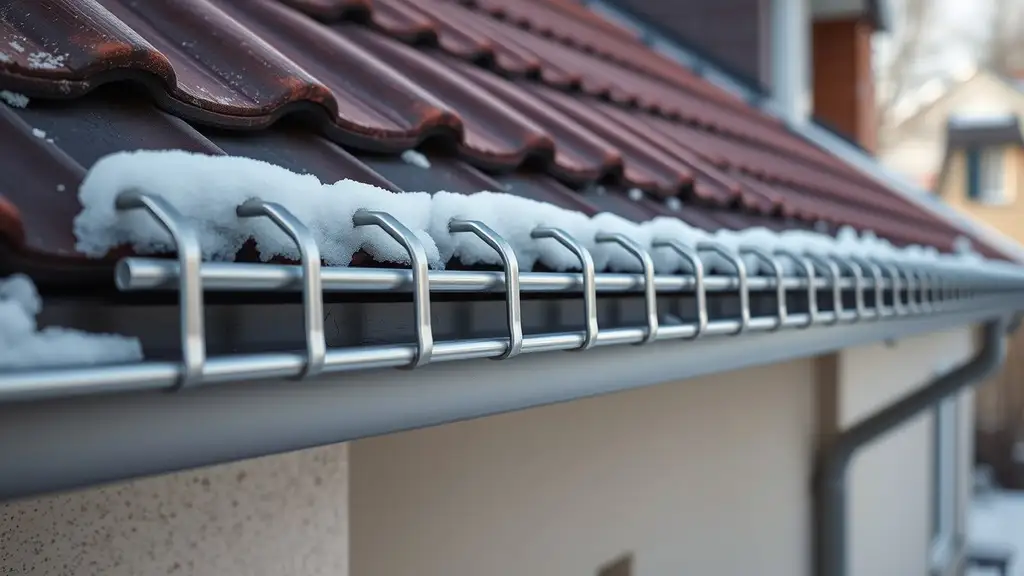
Snow guards: how many, how far apart, and common mistakes
Placement, number of rows and the mistakes to avoid.
Read the guide →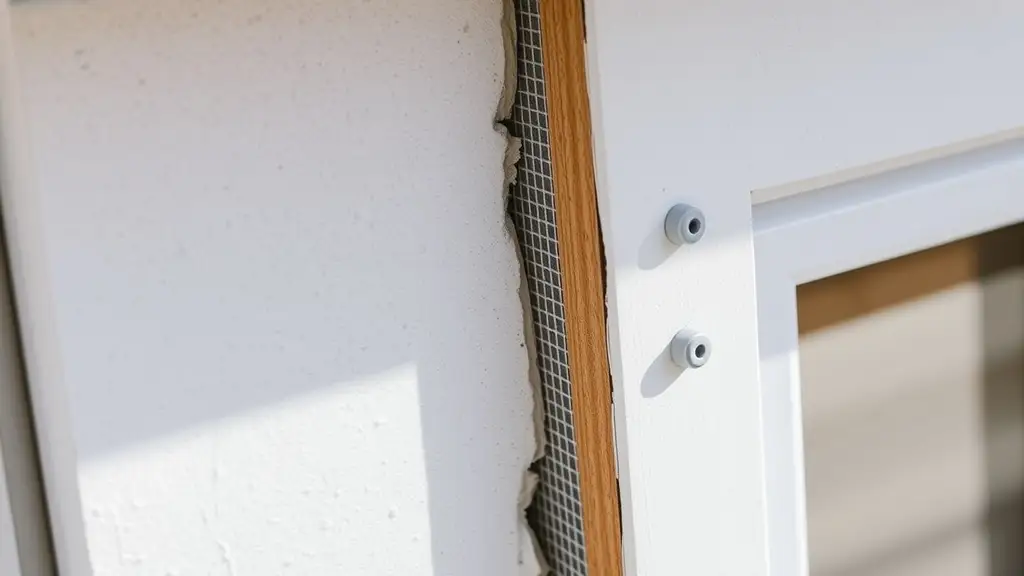
External wall insulation: the layers, in order
What each layer does and where systems usually fail.
Read the guide →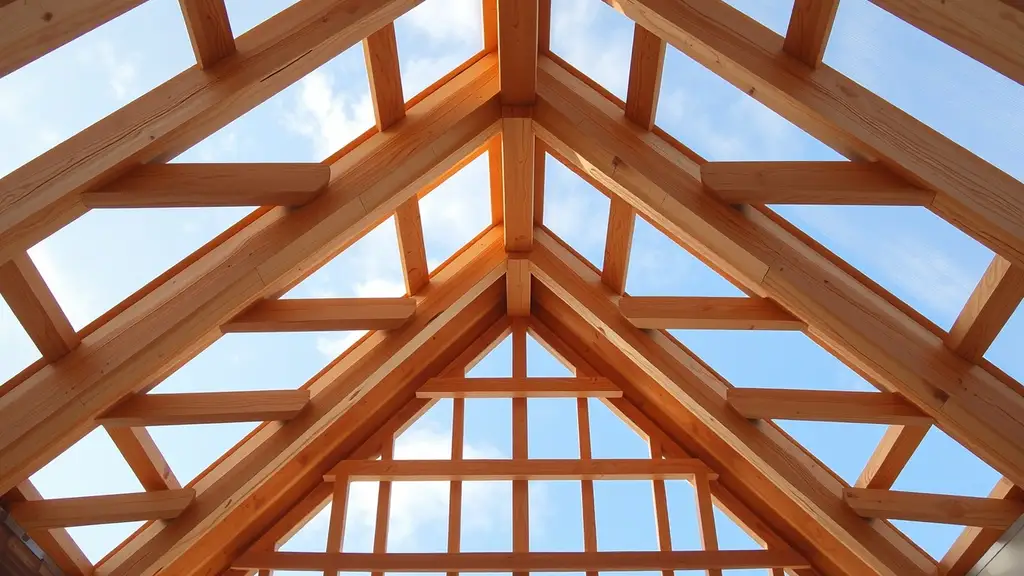
Asymmetric gable roof: structure and trade-offs
Offset ridge or two pitches — what changes structurally.
Read the guide →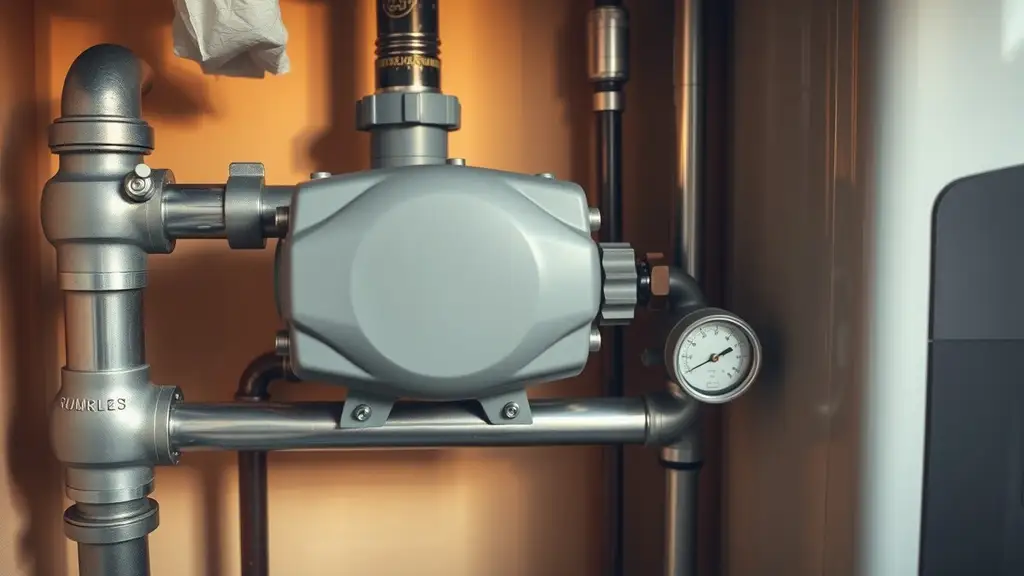
Heating circulation pump: flow, head and the right setting
The two numbers that size a circulation pump.
Read the guide →
Standard fridge dimensions
Width, height and depth by type — and the space around it.
Read the guide →
Home water filters: which type do you need?
Match the filter to what is actually in your water.
Read the guide →
Brush cutter or grass trimmer: how to choose
Match the tool to the grass and the area.
Read the guide →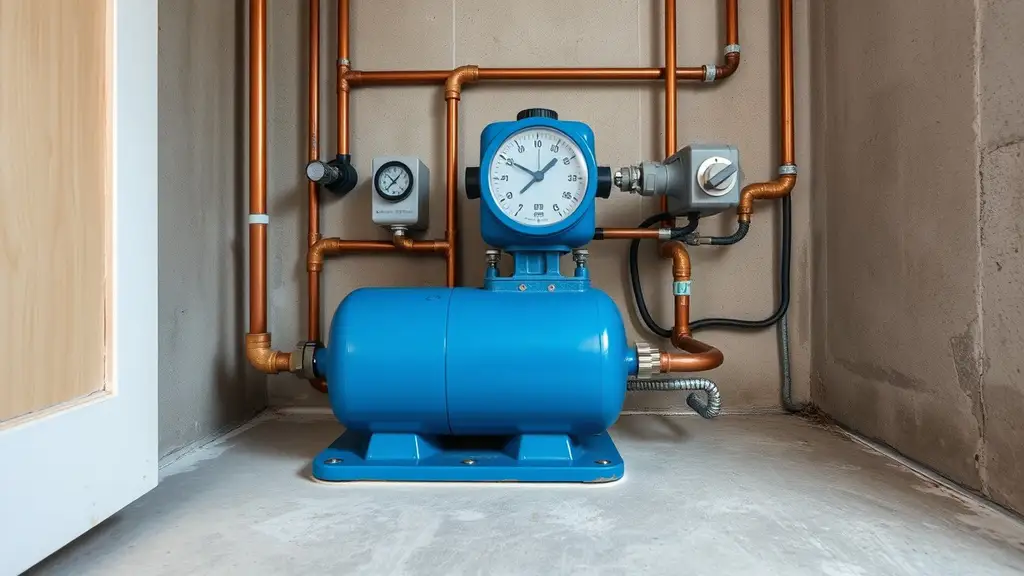
Home water pressure pump: how to choose
Depth, peak flow and pressure — the three numbers that decide it.
Read the guide →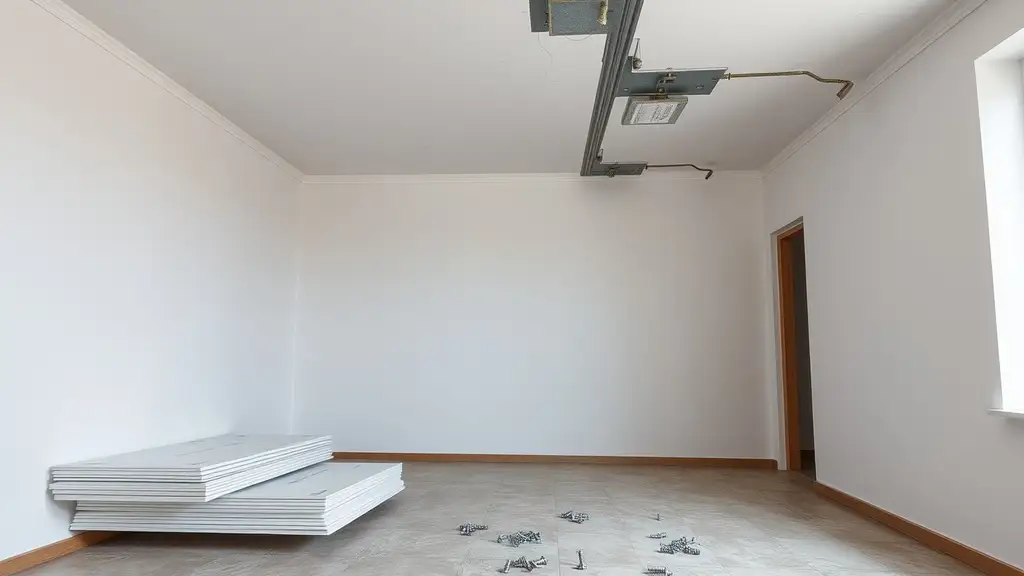
Plasterboard ceiling: materials per m²
A material list per m² and a worked room example.
Read the guide →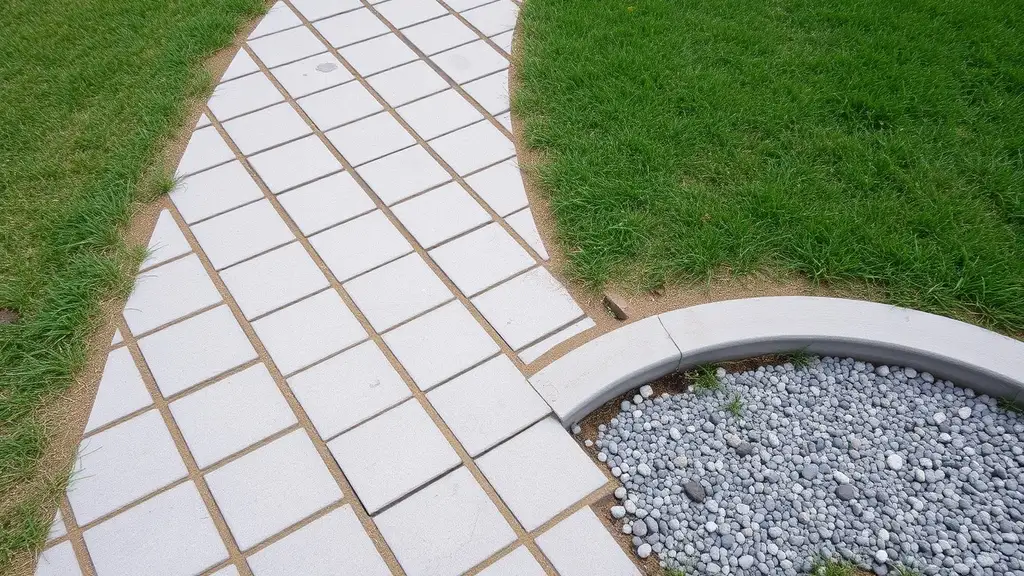
How to build a garden path, step by step
A layered build that stays flat after a few winters.
Read the guide →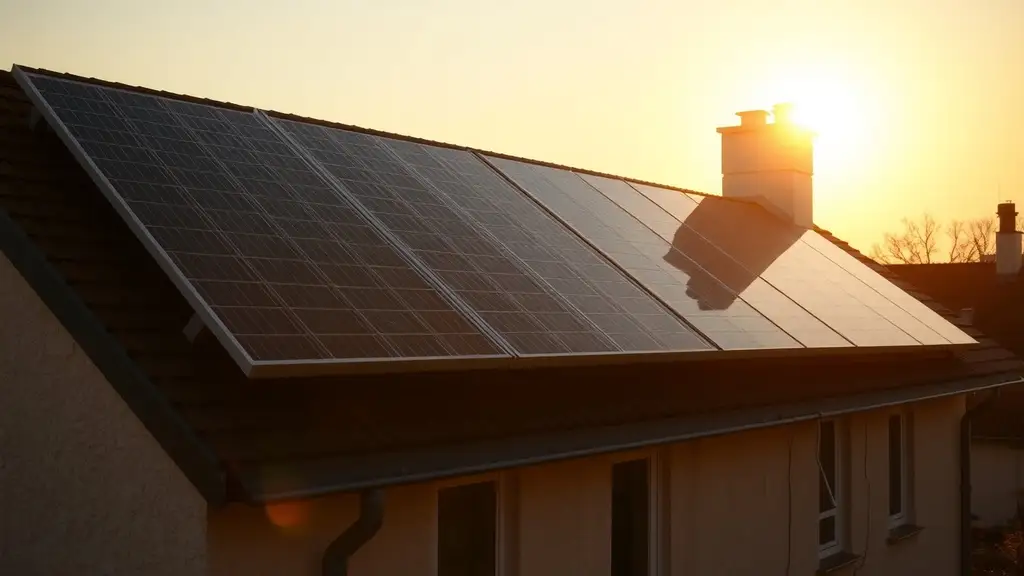
Solar panel orientation and tilt
Small deviations cost little — shading costs a lot.
Read the guide →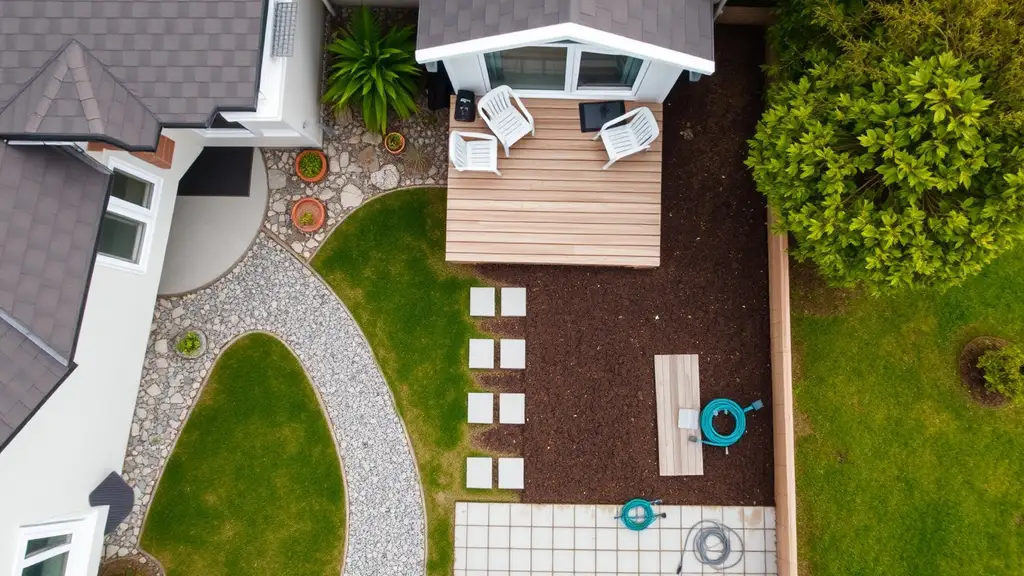
How to plan a garden layout by zones
Zones first, plants last — and the order that avoids redoing work.
Read the guide →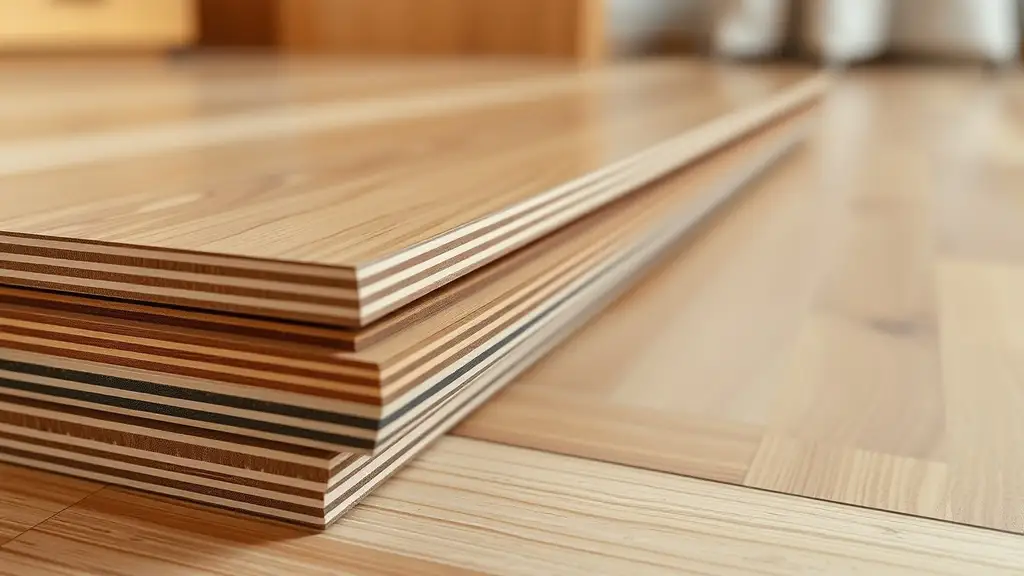
Wood and laminate flooring thickness
Total thickness for floor height, wear layer for lifespan.
Read the guide →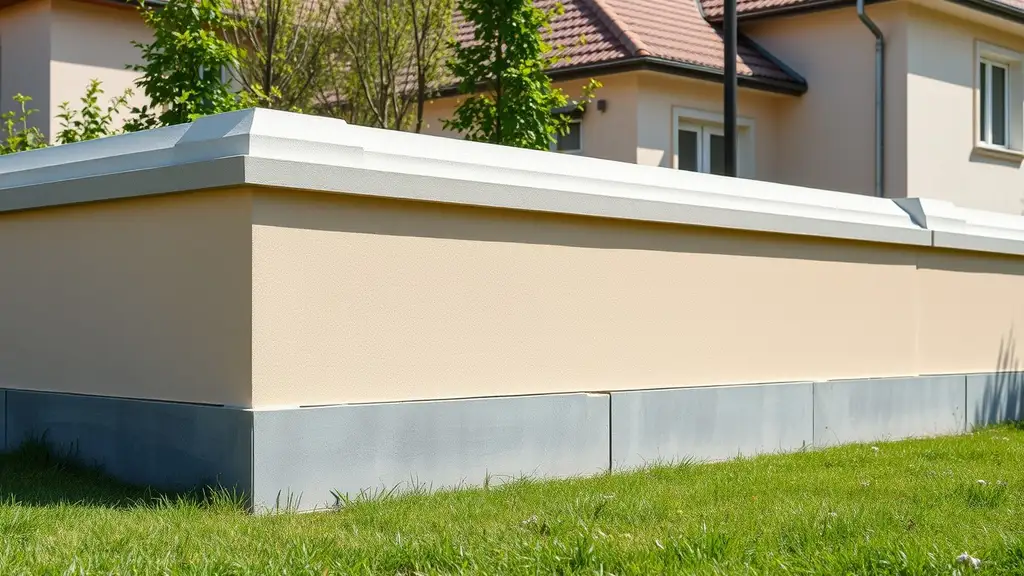
Aerated block garden wall: foundation, piers, render and coping
Unprotected aerated blocks soak up water — render and coping are not optional.
Read the guide →
Domestic hot water: electric, gas, heat pump or solar?
The need is similar everywhere — the energy source changes what you pay.
Read the guide →
How much electricity does air conditioning use?
Average draw is well below the label's maximum.
Read the guide →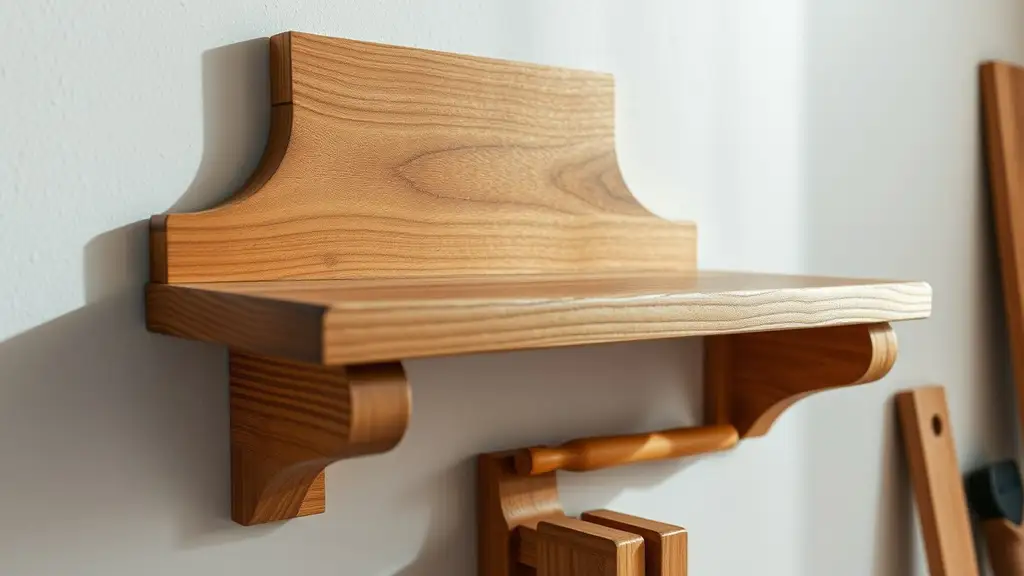
How to make a wooden shelf by hand
An afternoon project — the wall fixing decides how much it holds.
Read the guide →Plans
Choose how much you want to work with Cipică.
Free
€0- ✓Calculators and guides
- ✓The renovation assistant
- ✓Cipică: 5 free messages, then credits
Plus
≈ €5.61/month- ✓Unlimited projects
- ✓Budget, stages and expenses
- ✓Price and maintenance alerts
Billed monthly · cancel any time, free of charge
Pro
≈ €18.71/month- ✓My house in 3D, unlimited
- ✓Professional estimate PDF/Excel
- ✓30 Cipică messages a month
- ✓Everything in Plus
Billed monthly · cancel any time, free of charge
Prices are set in Romanian lei and shown here converted. At checkout, Stripe shows the exact amount in your currency.
No contract and no minimum term.
Plus and Pro are billed month by month. You can stop the renewal at any time from My account → “Manage subscription”, at no extra cost. The plan stays active until the end of the month already paid.
Got a project for your home?
Tell Cipică what you want to do. He helps you turn the idea into concrete steps, materials, calculations and costs.
Start with Cipică AIFree to start. Nothing to install.