
Updated · 3 min read
In short
- Demolition, chasing and screed spread fine dust over every exposed surface.
- Screed and plaster release moisture for weeks — finishes laid too soon warp or come away.
- Redoing a damaged finish costs materials, double labour and time.
Dust and rubble don't choose where they settle
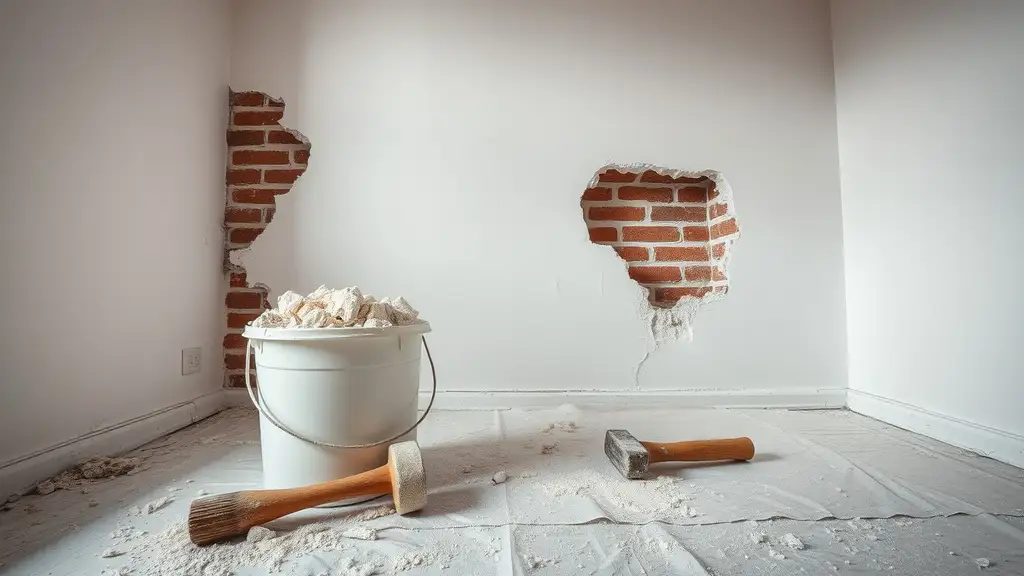
Demolition, chasing walls for services and screeding produce fine dust that settles on every exposed surface, however far it seems from the work area. If fine finishes (wood flooring, paint, wallpaper) are already in place when this messy work starts, dust and debris damage them directly, sometimes irreversibly.
Moisture from screed and plaster needs time
Screed and plaster release moisture into the air as they dry, a process that can take weeks depending on thickness and conditions. Laying wood flooring or wallpaper over residual moisture that hasn't fully dried leads to warping or detachment that shows only months later, long after the job seems successfully finished.
The cost of fixing an order mistake
Redoing a finish damaged by messy work done afterwards almost always costs more than following the right order from the start — not only the lost material, but double labour (removal, then refitting) and the extra time lost.
Real exceptions, not just justified haste
There are legitimate cases where some finishes go in earlier than the classic order — for example a room completely sealed off from the rest of the site with no more messy work scheduled. These exceptions need a careful assessment of the real risk, not just the wish to hurry a deadline, which is the most common real cause of wrong reversals.
Calculators for this job
Screed calculator
How many kilograms and bags of screed or self-levelling compound you need for a floor.
Plaster calculator
How many kilograms and bags of plaster or render an area needs, from the coat thickness.
Renovation budget calculator
Add up the cost items from your quotes, reserve a contingency and compare the total with your available budget.